


A good sprinkler system is one of those home helpers you barely notice until it starts acting like a tiny fountain show in the wrong place. If your yard has random swamp spots, crunchy dry patches, or water spraying the sidewalk instead of the grass, something is off. The good news is that many sprinkler problems are easy to spot before they turn into bigger headaches.
With a little attention and a simple routine, you can keep your lawn happy and your water bill from doing backflips.

Spot Trouble Early
Most sprinkler problems give you clues before they become expensive. You just have to know what to look for. If one part of your lawn looks greener than the rest, that may sound nice, but it can mean too much water is pooling there. On the flip side, dry circles often point to a clogged or damaged sprinkler head.
You might also see water misting into the air on a calm day. That usually means the spray pattern is wrong or the pressure is too high. If the sidewalk gets a better drink than your flower bed, your sprinklers are missing the target (even if your toddler thinks the wet sidewalk is perfect for sidewalk chalk art).
Another quiet clue is your water bill. A sudden jump without a clear reason can mean a leak or a head that is running poorly. Kids and pets can even help with the detective work. If they keep finding muddy spots in the same place (and then playing in that mud and tracking it inside), your yard is trying to tell you something.
Start with One Zone
When your sprinkler system seems off, try not to inspect everything at once. That gets confusing fast. A better plan is to run one zone at a time and watch what happens. Think of it like checking one room when the house feels messy instead of trying to tackle everything at once.
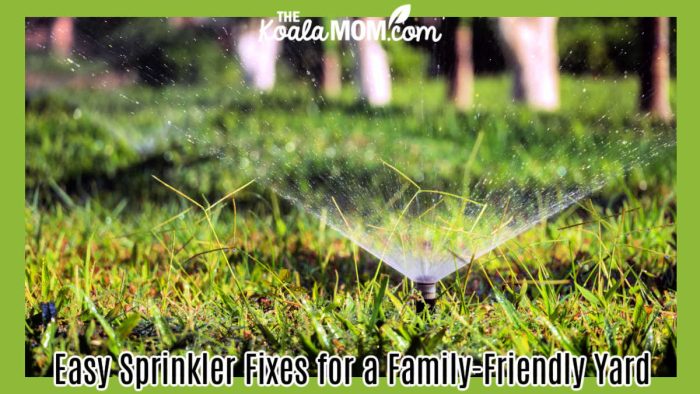
Stand back and watch each sprinkler head pop up. See whether the spray reaches the area it should. Look for heads that stay stuck, dribble water, spray unevenly, or don’t come up all the way. Those are your problem spots.
This step also helps you tell the difference between a single broken head and a larger system issue. If only one zone looks strange, the fix may be pretty simple. If several zones have weak pressure or odd spray, there could be a valve or line problem.
Do this in the morning if you can. The light is better, the air is calmer, and you won’t feel like you’re being slow-roasted in your own backyard.
When Heads Wear Out
Sprinkler heads take more abuse than most people realize. They get bumped by mowers, stepped on by kids, chewed up by weed trimmers, and packed with dirt over time. After a while, even a sturdy head can stop working the way it should.
Winter can be rough too. If water freezes inside parts of the system, it may crack a head or shift its alignment. Then spring arrives, and suddenly one sprinkler is shooting your fence like it has a personal grudge.
If a head is old, cracked, stuck, or badly leaking, it may be time for sprinkler head replacement instead of another quick patch. That kind of repair makes sense when the problem keeps coming back or the spray pattern is too damaged to adjust.
Dirt buildup is another common troublemaker. Sometimes a head just needs cleaning, but if grit has worn down the inner parts, it may never spray properly again. That’s usually when replacement becomes the smarter long-term move.
DIY or Professional Repair
Some sprinkler issues are very doable for a homeowner. If a head is tilted, you can often straighten it. If the spray is blocked by grass or mulch, a quick cleanup may solve the problem. A clogged nozzle can sometimes be rinsed out and put back in place without much drama.
You can also adjust the spray direction on many heads if water is hitting the driveway or fence. Small tweaks often make a big difference. Just go gently. Sprinkler parts are not fond of brute strength and confidence.
Some sprinkler repairs are simple enough for homeowners, while others are better left to a professional. If you notice water bubbling from the soil, weak pressure across multiple heads, or soggy ground that never dries, there may be a broken underground line. That usually means it’s time to call a professional.
A pro can also help if repairs keep repeating. One broken head is annoying. Several broken heads in a short time may point to pressure issues, poor installation, or hidden damage deeper in the system.
Improve Water Coverage
A family yard has a lot going on. There are play areas, patio spaces, flower beds, maybe a garden, maybe a dog that thinks every wet patch is a personal spa. Good sprinkler coverage should support real life, not soak it.
Start by checking where the water lands. Grass needs even coverage, but sidewalks, fences, and your home’s exterior do not. Overspray wastes water and can make outdoor spaces slippery. That matters even more if kids are running around in flip-flops with the confidence of circus performers.
Seasonal changes matter too. In cooler months, your yard usually needs less water. In hotter stretches, you may need a little more, but not always every day (especially if there are seasonal watering restrictions in your area). Deep watering a few times a week is often better than shallow watering all the time.
Keep an eye on plants with different needs. Garden beds, shrubs, and lawns don’t always want the same amount of water. A few simple adjustments can keep everything healthier without turning your yard into a puddle puzzle.
Build a Yard Routine
The easiest way to avoid major sprinkler trouble is to make yard care part of normal home care. You do not need a clipboard or a headset. Just spend a few minutes each month watching the system run.
Walk the yard and look for leaning heads, weak spray, odd puddles, or dry areas. After mowing, glance at the sprinkler heads to make sure none were bumped. At the start of each season, run every zone and see whether anything changed.
It also helps to clean up around sprinkler heads so grass and mulch do not crowd them. Trimmed edges and clear space make it easier for water to spray where it belongs. Less blockage means less guessing later.
If your system has needed several repairs lately, write down which zone had issues and when. That simple habit can reveal patterns. Over time, you’ll know whether you’re dealing with normal wear or a bigger system problem.
A little routine care keeps your yard healthier, saves water, and helps your outdoor space stay ready for everyday family life. By catching small problems early and fixing them before they grow, you can enjoy a greener lawn with fewer surprises and less wasted water. Regular inspections and timely sprinkler repairs can keep your system working efficiently throughout the year.That’s a simple investment that pays off season after season.
No Responses Yet