


If you’ve ever stood in front of the pantry at 3 p.m. hunting for something crunchy and salty that won’t wreck the rest of the afternoon, you know the struggle. Most of the easy grabs are chips, crackers, or something quietly coated in sugar. Pork rinds rarely make the shortlist, which is a bit of a shame, because they might be one of the more useful snacks you keep walking past.
They’ve got a reputation as a gas-station indulgence, greasy and not much else. The nutrition tells a different story, though, and once you see it, they start to make sense for busy families who want protein without a pile of carbs.
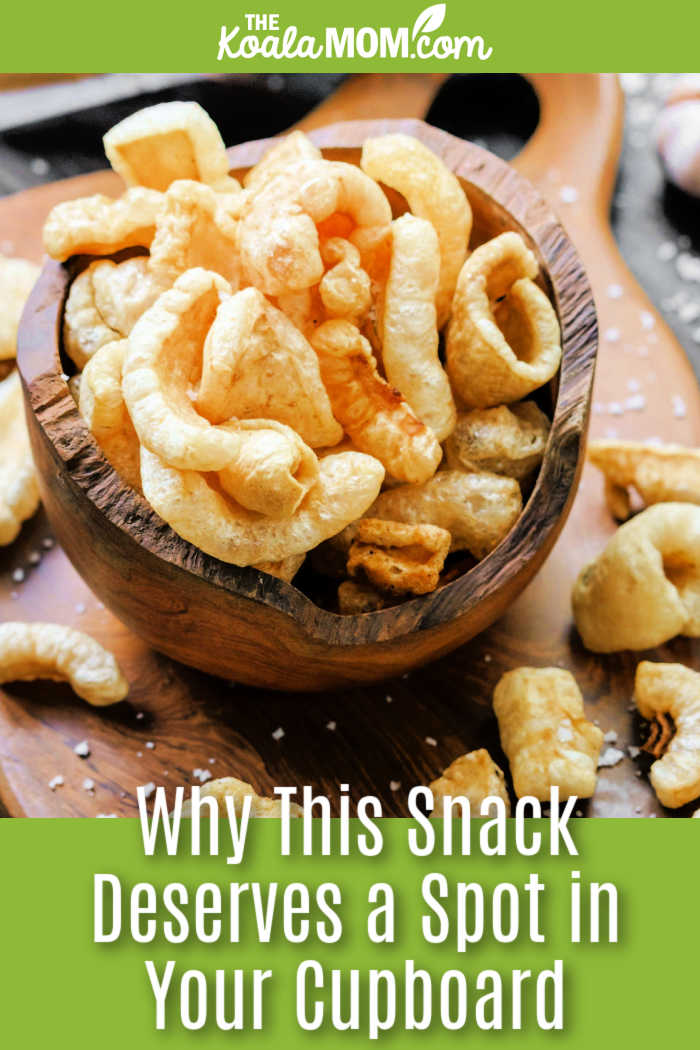
What Pork Rinds Actually Are
Pork rinds are pig skin that’s been cooked until it puffs up and turns crispy. Fried, usually, sometimes roasted. Across much of Latin America they’re known as chicharrones, and they’ve been a normal snack there for generations, long before any low-carb diet made them trendy.
Here’s the part that trips people up: they aren’t chips. A chip is potato and oil. A pork rind is mostly protein, with almost no carbs at all. That one difference changes how they fit into your snack drawer.
The Protein Surprise
This is where they earn their keep. A one-ounce serving gives you around 17 grams of protein and about 9 grams of fat, with zero carbs. For a little context, that’s close to nine times the protein you’d get from the same amount of potato chips. Healthline lays out the full breakdown if you want the numbers.
That zero-carb part is why they turned into a staple for anyone doing keto. If you’re limiting carbohydrates but still want something crunchy and salty, your options are fairly limited. Pork rinds are one of the few that actually deliver. A fair share of the fat is monounsaturated, the same type found in olive oil, alongside saturated fat and a smaller amount of polyunsaturated.
Because they’re made from skin, pork rinds also carry some collagen-derived protein. Nobody’s calling that a beauty treatment. But it’s a decent bonus for a salty snack.
Aren’t They Just Fried Fat?
Fair thing to wonder, since they are fried. The fat itself isn’t quite the villain people assume, though. Pork fat contains stearic acid along with several other fatty acids, and some research suggests stearic acid has a more neutral effect on cholesterol than certain other saturated fats.
That doesn’t turn a pork rind into a carrot stick. Sodium is usually the bigger nutritional thing to watch here, though they’re still best enjoyed in moderation as part of a balanced diet.
The Catch: Sodium
No snack is perfect, and here’s the catch with this one. A medium single-serving bag, roughly two ounces, can carry around 1,040 milligrams of sodium. The American Heart Association suggests most adults stay under 2,300 milligrams a day, so one bag uses up nearly half your limit before dinner.
For kids, that adds up even faster. The fix is boring, but it works: portion it out, just like I tell my 10-year-old when she gets out a bag of crackers. A small handful in a bowl beside something else, instead of the whole bag parked in front of a tablet. You control the amount, and the snack stays reasonable.
The other thing to glance at is the ingredient list. Some brands add a longer list of artificial colors, flavor enhancers, and preservatives, which is worth a look if you’d rather keep the ingredients simple.
How to Pick a Better Bag
Not every bag is the same, and a few seconds of label-reading saves you from the worst ones. A short ingredient list is usually what separates the healthy pork rind snacks from the more heavily processed ones.
A quick checklist for the grocery aisle:
- short ingredient list: pork skin, oil, salt, maybe a seasoning
- lower sodium per serving (compare two bags, the gap can be surprising)
- fewer additives and artificial colors
- cooked in a decent oil, such as coconut oil
None of this takes long once you know what you’re scanning for. And the cleaner bags usually don’t cost much more than the heavily processed ones.
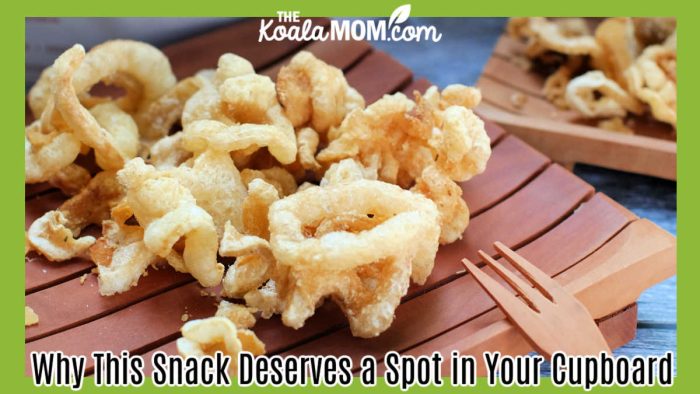
Easy Ways to Serve Them
Plain out of the bag is fine, but a dip makes them disappear faster. Guacamole and salsa are both easy pairings. The fresh stuff adds a little fiber and some vegetable, which balances out a snack that has none of its own.
They also work crushed up as a coating for chicken instead of breadcrumbs, which turns out surprisingly well and happens to be gluten-free, if anyone in your family reacts to gluten. Pork rinds pack easily into a school lunch box too, though it’s worth keeping that portion small for the sodium reason above. And because they travel well without turning to dust in the bag, they’re a practical option for road trips and long car rides.
Pork rinds aren’t a health food, and because they’re fried and often high in sodium, they’re best enjoyed in moderation. As a swap for the chip-and-cracker habit, though, they hold up: crunchy, salty, high in protein, low in the stuff you’re trying to cut back on. Keep the portions sensible, pick a clean bag, and they’ve earned their spot in the drawer.
No Responses Yet