


Starting a fitness routine can feel intimidating, especially if you’re juggling kids, work, and the endless responsibilities that come with family life. But getting stronger doesn’t require a fancy gym membership or hours of free time. Sometimes, all you need is a little space at home and a pair of dumbbells.
For many moms, strength training can be one of the most practical ways to improve energy, build muscle, and support long-term health. And if you have a teenager interested in fitness, working out together can become a surprisingly meaningful way to connect. Investing in Factory Weights dumbbell sets can make it easy to build a simple home setup that works for beginners and more experienced lifters alike.
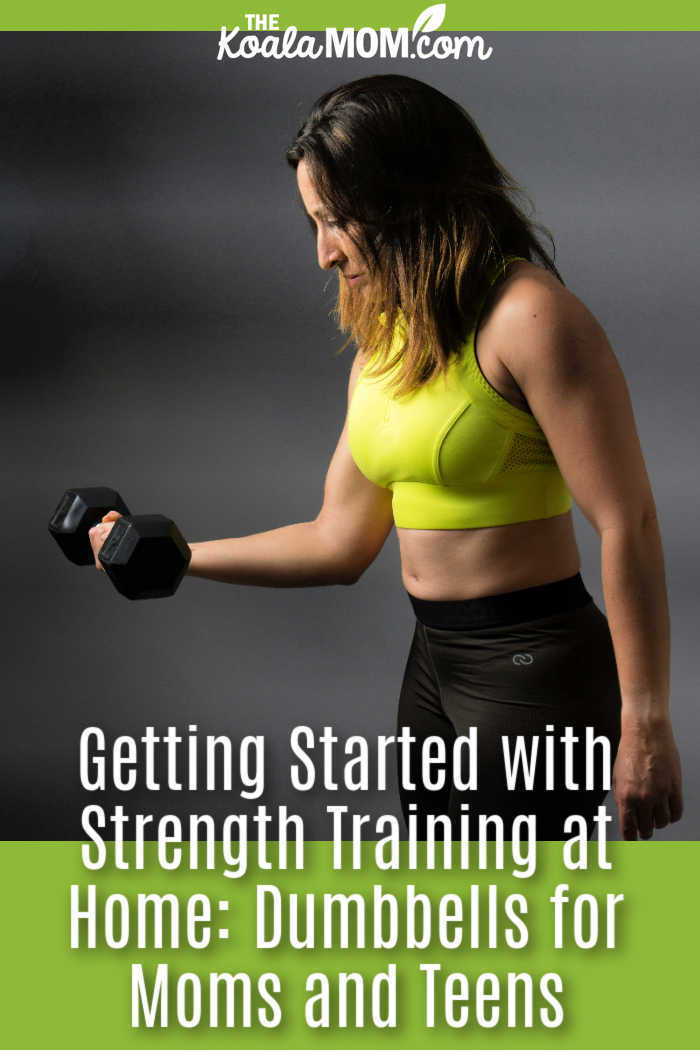
Why Dumbbells Are Great for Home Workouts
One of the biggest advantages of dumbbells is how versatile they are. Unlike bulky gym equipment, dumbbells don’t take over your house. They can slide under a bed, tuck into a corner, or sit neatly on a small rack.
Even better, they can be used for a wide range of exercises. With just one set, you can work your arms, shoulders, chest, back, legs, and core. Exercises like squats, lunges, rows, presses, and curls all become accessible from your living room.
For busy moms, that flexibility matters. You don’t need a perfect hour-long routine. Even 20 minutes of focused movement a few times a week can make a difference.
Fixed or Adjustable Dumbbells?
If you’re shopping for dumbbells, you’ll usually come across two options: fixed-weight or adjustable.
Fixed dumbbells stay at one weight. They’re simple and convenient—pick them up and start moving. They’re great if multiple family members are using them regularly and want quick transitions between exercises.
Adjustable dumbbells allow you to change the weight using a dial, pin, or plates. They’re especially helpful if space is limited because one pair can replace several sets.
If you’re just starting out, adjustable dumbbells can be a smart investment. But if your teen is also training and you expect both of you to use different weights during the same workout, fixed pairs may be more convenient.
Choosing the Right Weight
A common beginner mistake is buying weights that are too heavy—or too light.
If you’re new to strength training, lighter weights are often enough to start building good movement patterns and confidence. For many women beginning at home, a few lighter pairs can cover most exercises.
Remember, different exercises need different weights. You may use lighter dumbbells for shoulder raises but heavier ones for squats or rows.
If you’re training with a teenager, this can actually be a helpful lesson in patience and progress. Strength doesn’t develop overnight. Good form matters more than ego.
Comfort Matters More than You Think
Not all dumbbells feel the same in your hands.
Rubber-coated dumbbells are especially popular for home gyms because they’re quieter and gentler on floors. If you’ve ever worried about dropping a weight on hardwood or tile, that extra protection helps.
Hex-shaped dumbbells are also practical because they don’t roll away when placed on the floor—something every parent can appreciate.
Pay attention to grip as well. A handle that feels secure becomes especially important once your palms get sweaty.
Creating a Routine that Actually Fits Family Life
The best workout routine isn’t the most intense one—it’s the one you’ll actually stick with.
For many moms, three short full-body workouts each week is realistic and sustainable. Focus on simple movement patterns: pushing, pulling, squatting, and lifting.
If your teenager joins you, workouts can become something more than exercise. They can create opportunities for encouragement, healthy habits, and conversations that might not happen otherwise.
Working out together also models something powerful: exercise doesn’t have to be about appearance. It can be about strength, resilience, confidence, and caring for your body. That’s a message many teens need to hear.
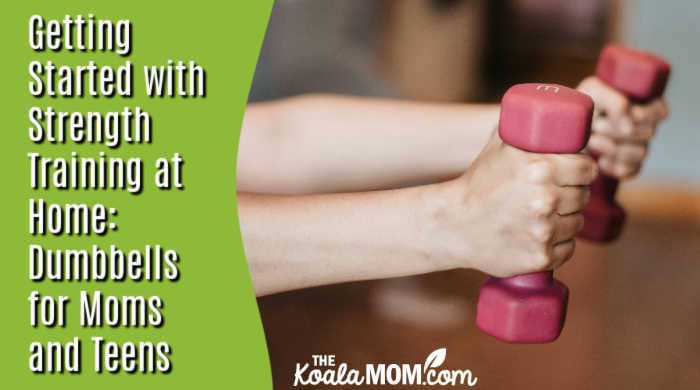
Strength training at home doesn’t need to be complicated. Start small, stay consistent, and allow progress to build gradually. Over time, those small sessions can add up—not just to stronger muscles, but to stronger family habits too.
No Responses Yet