


When we think about how our kids perform in school, grades and academic ability often get most of the attention. But learning isn’t just about intelligence or preparation. A child can be bright, capable, and fully prepared for class—and still hesitate to participate if the classroom doesn’t feel emotionally safe.
That’s why more educators are paying attention to classroom culture and the role it plays in engagement.
Our kids spend thousands of hours in classrooms over the course of their education. During that time, they’re constantly making small but important decisions: Should I raise my hand? Ask a question? Share my opinion? Admit I don’t understand? (I know that, as a young adult encountering this environment for the first time in university, after completing grades 1 through 12 at home, I was overwhelmed!)
Those decisions are often shaped less by the lesson itself and more by how safe and supported they feel. A child who feels respected may volunteer an answer even when unsure. Another child may stay silent despite knowing exactly what to say because past experiences have made them hesitant. Classroom culture influences confidence, participation, relationships, and the overall learning experience in ways lesson plans alone simply can’t.
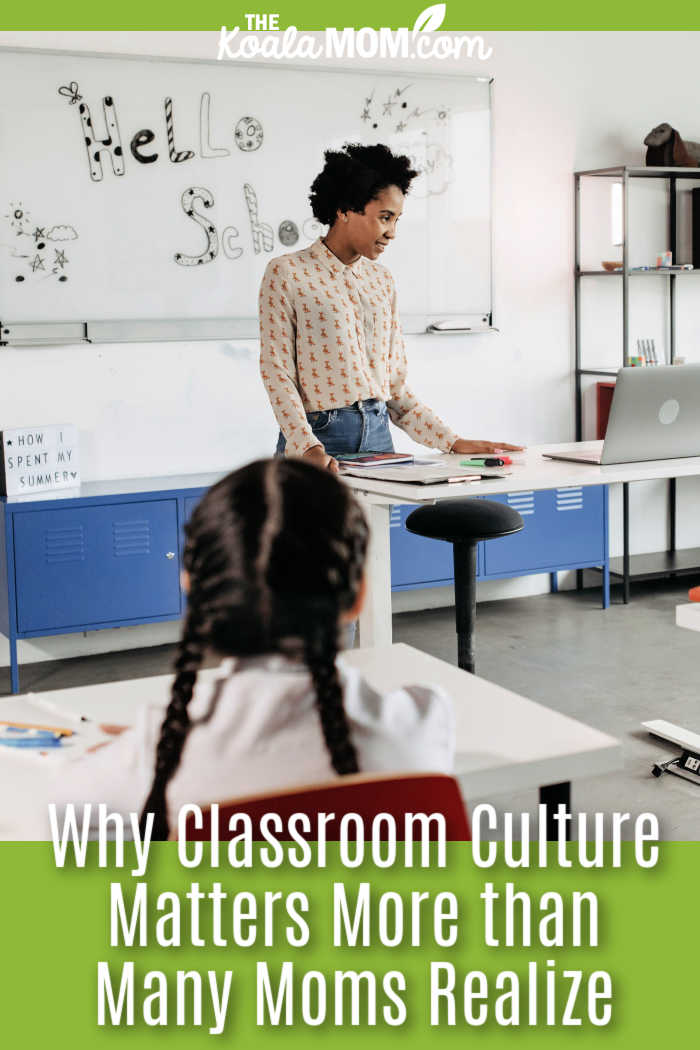
Student Support Matters
Many people think of school counselors as professionals who only step in when students face major problems. In reality, their influence often reaches much further into everyday school life. Counselors frequently support social development, relationship skills, communication, and emotional well-being—all of which affect what happens in the classroom.
A classroom where students feel comfortable participating often begins with a school environment that values healthy relationships. Counselors help support that goal by helping students navigate disagreements, manage emotions, and communicate more effectively with peers.
Many schools now introduce conflict resolution strategies for students because unresolved tension can affect learning long before it becomes a serious disciplinary issue. A child dealing with ongoing conflict may begin avoiding group activities, classroom discussions, or even certain classmates altogether. Helping students build healthier ways of handling disagreements creates an environment where participation feels safer and more natural.
Learning through Mistakes
One of the most powerful signs of a healthy classroom culture is how mistakes are handled.
In some environments, kids quickly learn that being wrong feels embarrassing. They become cautious about answering questions, sharing ideas, or attempting difficult work. Participation drops because staying quiet feels safer than risking public failure.
Healthier classrooms create a very different experience. Mistakes become opportunities for discussion rather than moments of shame. Children learn that even wrong answers can be valuable because they help clarify concepts and spark conversation.
Once that mindset becomes part of the classroom culture, participation often increases naturally. Students spend less energy trying to be perfect and more energy engaging with what they’re learning.
Emotional Safety
Children rarely participate fully if they’re worried about embarrassment.
Fear of being laughed at, judged, or criticized can quietly reduce engagement—even among students who do well academically. Emotional safety changes that. It allows students to focus on learning instead of protecting themselves from negative social experiences.
Teachers often notice that participation rises once students feel comfortable taking risks. Questions become more frequent. Discussions become more active. Students become more willing to share ideas that may not be perfect or fully formed.
Emotional safety doesn’t eliminate mistakes—it changes how mistakes are viewed. Instead of seeing errors as proof of failure, students begin to see them as a normal part of learning. The Upside-Down Magic series by
Academic Resilience
Every child will face challenges at some point. A difficult assignment, a poor test result, a confusing lesson, or a disappointing grade can all affect motivation. What often separates engaged students from disengaged ones isn’t whether setbacks happen—it’s how students respond when they do.
Classroom culture plays a major role in shaping that response. Supportive environments help students see challenges as temporary obstacles rather than permanent limitations. Teachers and classmates who encourage persistence can strongly influence whether students keep trying after setbacks.
Kids are far more likely to stay engaged when they believe effort still matters, even after mistakes or disappointments.
A Sense of Belonging
Children are generally more willing to participate when they feel like they belong. This goes beyond friendship groups or popularity. It means feeling that their presence matters and that their voice has value within the classroom community.
A strong sense of belonging often influences participation in subtle but meaningful ways. Students become more comfortable speaking during discussions, contributing ideas during group work, and engaging more actively because they feel connected to the people around them.
When children feel like they truly belong, participation stops feeling risky and starts feeling natural.
Quiet Voices Matter Too
Not every engaged child is eager to speak in front of a room full of classmates.
Some children prefer listening first, thinking carefully before responding, or participating through smaller interactions rather than large group discussions. Traditional participation expectations can overlook these students, creating the false impression that quieter children aren’t engaged when they may actually be deeply attentive.
Inclusive classrooms recognize that participation doesn’t look the same for every child. Small-group conversations, written responses, partner activities, and structured discussions often help quieter students contribute in ways that feel more comfortable and authentic.
Peer Interactions
Kids pay close attention to how classmates respond to one another.
A single negative reaction can discourage participation for days—or even weeks. On the other hand, respectful interactions create an atmosphere where students feel safer sharing ideas without fear of ridicule or dismissal.
Positive peer relationships help create classrooms where discussion feels inviting rather than intimidating. Children become more willing to contribute opinions, ask questions, and participate in group activities when they trust their peers to respond respectfully.
Over time, those interactions create a ripple effect. One respectful discussion encourages another. One supportive response builds confidence for future participation.
Teacher Connections
Children are often more willing to participate when they feel their teacher genuinely knows them.
Strong teacher-student relationships build trust, and trust plays a powerful role in engagement. Students who feel respected are usually more comfortable asking questions, admitting confusion, and sharing their thoughts.
Often, simple actions make a big difference: remembering a student’s interests, acknowledging effort, listening carefully, and creating opportunities for conversation.
When students trust their teachers, mistakes feel less threatening because they know those moments will be treated as opportunities to learn—not as reasons for embarrassment.
What Moms Can Do
As moms, we may not be inside our children’s classrooms every day—but we can still learn a lot by paying attention to how our kids talk about school.
Listen carefully when your child describes their day. Do they mention feeling included or left out? Are they excited to participate in class discussions, or do they seem anxious about speaking up? Do they talk about supportive friendships and kind teachers, or frequent conflict and embarrassment? Often, these small comments offer important clues about classroom culture.
You can also help reinforce positive classroom habits at home. Encourage your child to make connections with classmates, include children who seem left out, and support peers who may be struggling. Remind them that asking questions, making mistakes, and speaking up are all normal parts of learning. These conversations can help children build confidence and resilience both inside and outside the classroom.
If you notice ongoing concerns, don’t hesitate to reach out. A conversation with your child’s teacher can provide valuable insight into classroom dynamics and help identify ways to better support your child. In some situations, speaking with school counselors or administrators may also be appropriate, especially if issues such as bullying, exclusion, or emotional safety are affecting your child’s ability to learn.
For example, over this past year, I’ve had ongoing conversations with two of my kids’ teachers about what’s happening in their classrooms. One of my kids needed extra support at times and the other child was dealing with classroom bullying. In both cases, it helped for me to have conversations with my children and with the teachers about how to move forward. Often, the teachers had different perspectives on what was happening in the classroom or were able to clarify what my child had shared.
And sometimes, despite best efforts, a classroom simply may not be the right fit. If your child consistently feels unsafe, isolated, or unable to participate, it may be worth discussing whether a classroom change—or in more serious cases, a different school environment—would better support their well-being and growth. Although I appreciate the efforts of both teachers over the past year, I’ve decided to try another school for my children for the upcoming year.
While parents can’t control every aspect of school life, staying engaged and proactive can make a meaningful difference in helping children learn in environments where they feel safe, valued, and ready to thrive.
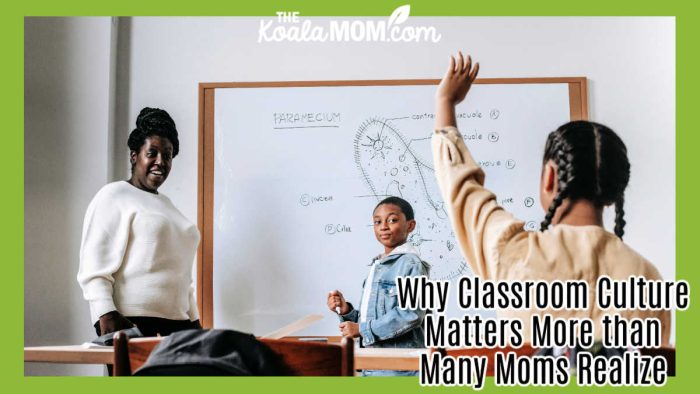
Classroom culture plays a powerful role in whether students feel comfortable speaking up, asking questions, taking risks, and fully engaging in learning. Emotional safety, belonging, healthy peer relationships, supportive teachers, and inclusive practices all help create environments where kids can thrive.
While curriculum and instruction matter, the culture of a classroom often determines whether children feel confident enough to fully participate in the learning happening around them.
No Responses Yet