


A worn-out lawn can make your whole yard feel a little blah, even if the rest of your home looks great. The good news is you don’t need a giant landscape makeover to fix it. In many cases, a few smart choices can turn patchy, tired grass into something fresh and inviting. If you’ve been staring at brown spots and thin blades like they’ve personally offended you, this is a good place to start.

Start with a Plan
Before you buy grass seed or start dragging hoses around the yard, take a good look at what’s actually going on. A lawn usually gets tired for a reason. Maybe your teens use one path across the yard like it’s a secret highway to the bus stop. Maybe the dog picked a favorite bathroom corner and never looked back.
You might also notice weeds, bare patches, soggy spots, or areas that bake in full sun all day. Some lawns are uneven, while others struggle because the soil is packed down hard. If you skip this step, you can end up treating the symptom instead of the cause.
Walk the space at different times of day. Notice where water collects and where the grass seems happiest. Check if the damage is spread everywhere or just in a few zones. That quick yard tour gives you a simple game plan. You don’t need to become a grass detective, but a little investigating now can save you time, money, and a whole lot of guesswork later.
Know Your Lawn Options
Once you know what you’re dealing with, you can pick the best fix. If the lawn is mostly healthy with a few weak spots, patch repair may be enough. If it’s thin all over, reseeding can help fill things in. That route usually costs less, but it also takes more patience. Grass from seed likes to move at the speed of a sleepy turtle.
If you want faster results, sod installation can make sense because it gives you an almost instant green surface. It’s especially helpful when large sections of the yard are beyond saving or when you want a cleaner look without waiting through a long grow-in period.
That doesn’t mean sod is always the answer. It depends on your budget, timeline, and how much of the lawn needs work. Think about how soon you want to use the space. If you’ve got family gatherings, playtime, or outdoor lounging on your mind, a quicker refresh may be worth it. The best option is the one that fits your yard and your real life.
Prep Matters Most
Here’s the part many people rush, and it’s usually the part that matters most. A lawn refresh works better when the ground is ready for it. If you lay new material over old problems, those problems love to come back like uninvited guests. For example, that spot where my teens always walk is a hard-packed dirt that will never grow grass.
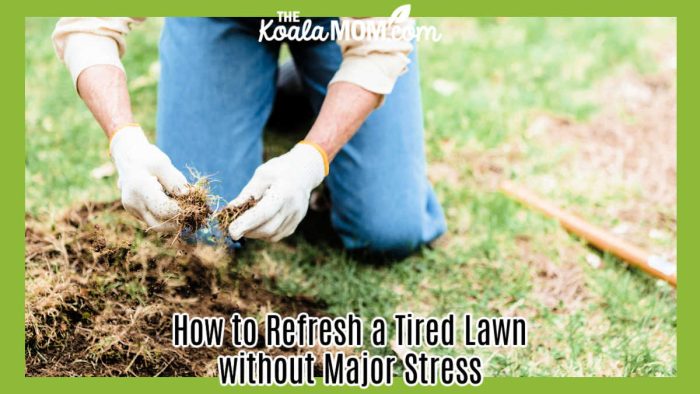
Start by clearing sticks, leaves, weeds, and any dead grass that’s barely hanging on. If the soil feels hard, loosen the top layer so roots have room to settle in or add better topsoil. Fill low areas where water tends to pool, and smooth out lumpy spots that make mowing annoying.
You should also think about water before you begin. Make sure your hose reaches the full area or that your sprinkler setup won’t leave random dry islands. If the yard has a drainage issue, fix what you can first. Even a slight grading correction can help.
This stage isn’t glamorous, but it makes the final result look better and last longer. In lawn work, prep is a bit like brushing your teeth before a photo. It may not be the exciting part, yet everyone notices when it didn’t happen.
Pick the Right Season
Timing can make a lawn refresh much easier. Try to work with the weather instead of fighting it. Extreme heat can stress new grass, while cold snaps can slow growth and make it harder for roots to settle in.
For many homeowners, mild temperatures are the sweet spot. That usually means spring or early fall, depending on your area and the kind of grass that grows best there. You don’t need a deep turf lesson to benefit from this. Just avoid the roughest weather if you can.
Think about your local pattern too. If your summers are blazing hot and dry, starting a lawn project right before a heat wave is asking for trouble. If heavy rain is expected, wait until you won’t be dealing with runoff and muddy messes.
A good season gives your lawn a better shot at taking hold with less stress on you. You’ll spend less time correcting problems and more time enjoying the yard. That’s the kind of math most homeowners can get behind.
Water without Overdoing It
Fresh lawn work needs moisture, but there’s a big difference between helpful watering and turning your yard into a soggy sponge. Right after a refresh, the goal is to keep the surface consistently moist without drowning it.
Light, regular watering usually works better than random soaking sessions. In the beginning, check the lawn daily. If the top feels dry, it’s time for a drink. If it feels squishy or you see standing water, ease up. Grass roots need moisture, but they also need air.
Watch for clues. Grass that looks dry and brittle may need more water. Areas that turn mushy or smell sour may be getting too much. Weather matters here too. Cool, cloudy days call for less watering than hot, windy ones.
Try to water earlier in the day when possible. That gives moisture time to soak in before evening. It also helps reduce waste. A steady routine works better than guessing. Think of it as helping your lawn settle in, not sending it to swim camp.
Help It Stay Green
Once your lawn starts looking better, a few simple habits can keep it that way. First, don’t mow too short. Cutting grass too low can stress it out and leave the soil exposed. A slightly taller lawn often looks fuller and handles heat better too.
Try to limit heavy foot traffic during the early stage, especially in freshly repaired areas. If one path gets all the action like my teens’ route to their bus stop, add stepping stones or gently redirect traffic. Your grass shouldn’t have to survive a daily stampede.
Basic feeding can also help, but keep it simple and follow product directions. More isn’t always better. Too much fertilizer can create a whole new problem, and nobody wants a lawn that throws a tantrum.
Most of all, give it a little time. Lawns rarely become beautiful overnight, even with quick improvements. Small, steady care usually beats dramatic fixes. If you stay consistent, your yard can go from tired and patchy to fresh and welcoming. That means more barefoot mornings, more backyard hangouts, and fewer moments of glaring at your grass like it owes you money.
No Responses Yet