


Screens have become a constant presence in family life. Tablets entertain toddlers, smartphones keep everyone connected, and Chromebooks are required for homework. While technology offers many benefits, many parents are searching for ways to create meaningful moments that don’t revolve around a screen, especially as summer allows us to take a break from homework.
One of the simplest and most enjoyable solutions is music. Unlike passive screen time, music invites participation. It encourages singing, dancing, storytelling, and conversation. It creates opportunities for children and parents to engage with one another while making memories that last far beyond a single afternoon.
The best part is that you don’t need expensive equipment or elaborate plans. A few favorite albums, a little creativity, and a willingness to unplug can transform ordinary family time into something truly special.
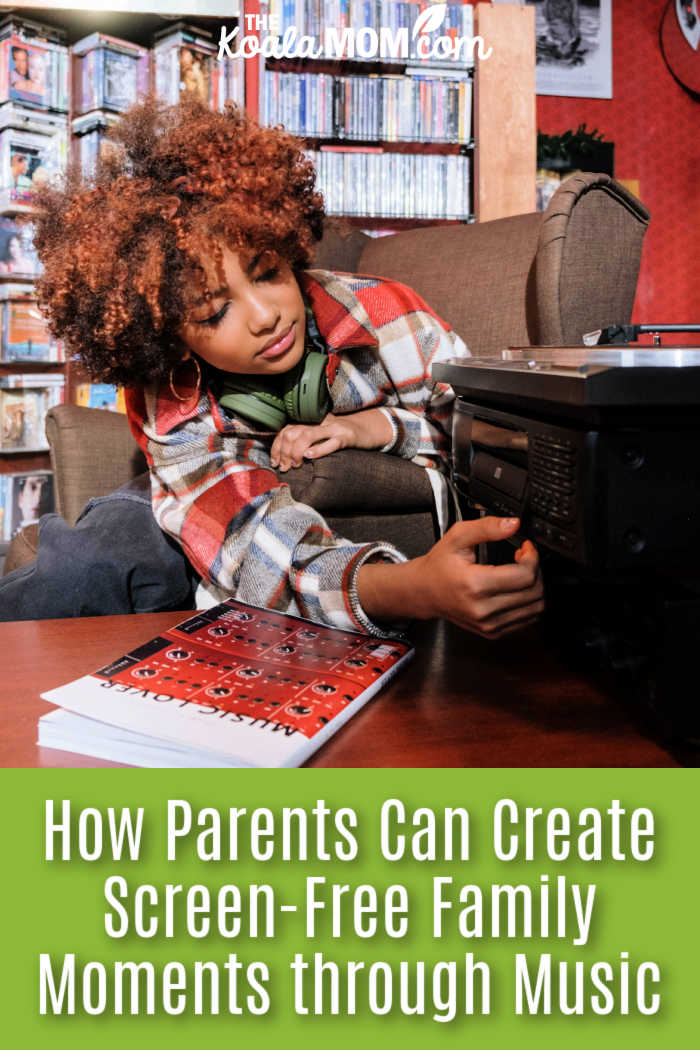
Why Music Creates Better Family Connections
Music has a unique ability to bring people together regardless of age. A favorite song can instantly improve everyone’s mood, while familiar melodies often spark conversations about memories, emotions, and experiences. For example, one of our favourite albums is the Shrek soundtrack; the upbeat, fun lyrics always get us smiling and singing along.
Unlike watching television, listening to music leaves room for interaction. Families naturally talk between songs, laugh at funny lyrics, burst into song when a comment reminds them of a favorite lyric (right?), or share stories connected to certain artists or albums. Even young children become active participants by clapping, dancing, or singing along.
These shared experiences strengthen relationships because everyone contributes. There is no pressure to perform or compete. Instead, music creates a welcoming environment where each family member feels included.
Replacing Screen Time with Musical Activities
Parents often worry about removing screens because they wonder what will fill the time. Music offers countless possibilities that keep children engaged without feeling like another educational activity.
Family dance parties are an easy place to start. Simply choose a playlist and let everyone move however they like. Younger children enjoy copying each other’s movements, while older kids often invent fun dance challenges. We often have spontaneous dance parties at the end of a movie night, while the credit music plays.
Another idea is musical storytelling. Play an instrumental song and encourage each family member to imagine what is happening in the music. Children love creating characters, adventures, and endings inspired by different melodies. Because we really enjoy movies, and often listen to movie soundtracks, my kids really pick up on how the music swells and changes.
We also like to play movie trivia, especially if we’re on a road trip together. We pick a play list with a particular theme (maybe Disney songs or oldies). When a new song starts to play, the person who can name the song and artist first gets kudos. My teens rock the Disney tunes, while my partner usually beats us hands-down on the oldies.
You can also organize simple singing sessions (aka family karaoke). Favorite movie songs, nursery rhymes, classic pop hits, and family favorites all work well. The goal isn’t perfect singing but shared enjoyment.
Even household chores become more enjoyable when accompanied by upbeat music. Cleaning, cooking, or organizing together feels less like work and more like a family activity. I often put on classical music or movie soundtracks while we’re homeschooling and upbeat, sing-along playlists when we’re tackling chores.
Encouraging Meaningful Conversations
One overlooked benefit of music is its ability to inspire conversation. Songs often remind parents of their own childhoods, special celebrations, vacations, or important life events.
Sharing these stories gives children valuable insight into their family’s history. They learn about grandparents, old friendships, memorable holidays, and traditions that might otherwise never come up in everyday conversation. For example, when I was growing up, my extended family loved playing cards. Every family gathering included a game of rummy and at some point in the game, someone would break out singing Kenny Rogers’ classic tune “The Gambler.”
Children also enjoy talking about their own musical preferences. Asking questions such as “What part of this song do you like most?” or “How does this music make you feel?” encourages emotional awareness and thoughtful communication.
As children grow older, discussing song lyrics can lead to conversations about kindness, resilience, friendship, confidence, and other important values in an age-appropriate way. Over the last few years, I’ve enjoyed hearing my teens develop their own taste in music; my oldest likes folk while my second prefers slower, moodier songs and my third enjoys country music. Recently, their discovery of Alec Benjamin’s music sparked some great discussions about his thought-provoking lyrics.
Creating New Family Traditions
Families often remember recurring traditions more vividly than one-time events. Music provides countless opportunities to establish routines that everyone anticipates.
You might begin each Saturday morning with upbeat songs while preparing breakfast together. Road trips can feature a rotating selection where each family member chooses an album. We have a road trip playlist that includes nearly 3 hours of songs that reference travel in some way. When we get tired of that, we’ll appoint someone to be the DJ and take song requests from the others in the car.
Holidays become even more memorable when associated with specific music played every year. Birthday mornings, family game nights, outdoor picnics, and even rainy afternoons can all include familiar musical traditions that children grow to cherish. These rituals create consistency and comfort while strengthening family identity.
The Value of Physical Music Collections
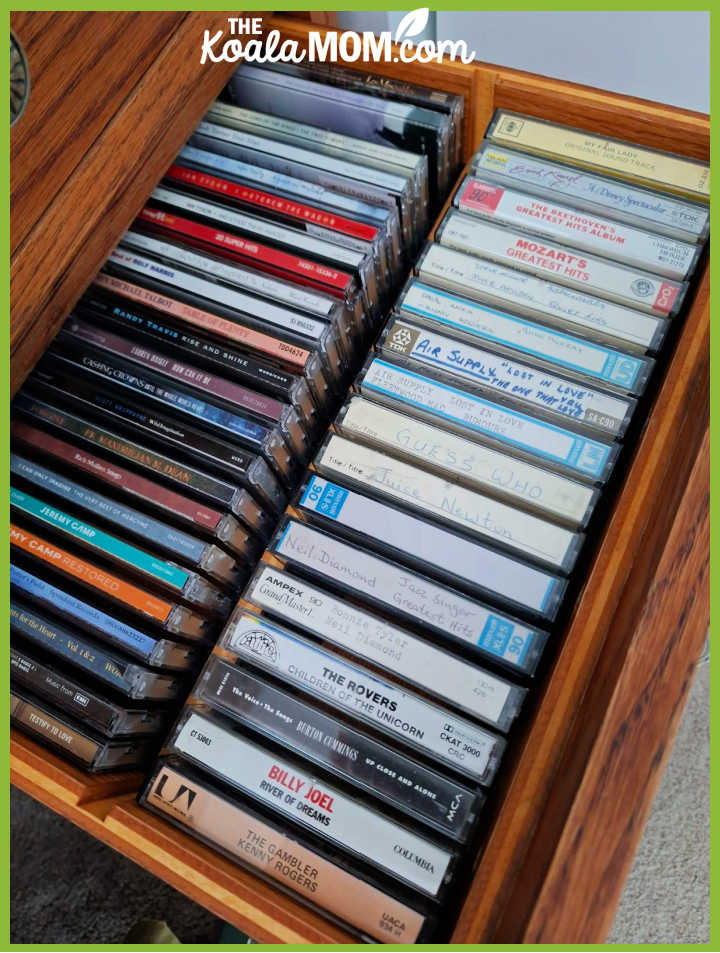
Streaming services offer convenience, but physical music collections introduce a different experience. Browsing albums together encourages children to slow down, look at cover art, read track listings, and become curious about artists and musical styles. Tapes and CDs can also enable younger kids (who don’t yet have devices) to turn on music for themselves. My kids have had cheap, second-hand “boom boxes” in their rooms for years so they can listen to audiobooks or music on their own.
Choosing an album together also becomes a family decision rather than allowing algorithms to determine what plays next.
For parents interested in introducing children to physical music media, it’s easy to visit Evergreen Vinyl and explore their CD catalog. A thoughtfully chosen collection can help families discover albums they return to again and again.
Physical collections also encourage intentional listening. Rather than constantly skipping songs, families are more likely to experience complete albums as artists originally intended. For my partner and I (who remember listening to music on records and tapes), there’s a lot of nostalgia around albums and the order the songs played in or when exactly we had to “turn the tape to side B” to keep listening.
Music collections can also be a connection to loved ones who aren’t with us anymore. When my aunt and uncle passed away, my brother and I inherited their extensive collection of CDs and mix tapes. Just like Star Lord in Guardians of the Galaxy listens to the mix tapes his mom made for him on repeat, I felt connected to my aunt and uncle by the music they’d once loved. When we get together with my brother, we still pop in a CD from my aunt and uncle’s collection. Elton John and Billy Joel will forever make me think of them.
Helping Children Develop a Lifelong Appreciation for Music
Children naturally respond to rhythm and melody from an early age. Continued exposure helps them recognize different instruments, musical genres, and cultural traditions.
Listening to a variety of music also broadens their understanding of the world. One evening may feature jazz, while another introduces classical music, folk traditions, rock, country, or international artists. Before I met my partner, I thought I didn’t like rock music. Thanks to his love for music, we’ve discovered a whole new world of songs and artists.
This diversity encourages curiosity and open-mindedness while helping children discover their own preferences.
Parents don’t need extensive musical knowledge to nurture this appreciation. Simply listening together and expressing enthusiasm demonstrates that music is something worth enjoying throughout life. While my partner can talk identify key changes and different instruments in a song, my 8-year-old likes playing air guitar and my girls simply like singing along.
Making Everyday Moments More Memorable
Music doesn’t have to be reserved for special occasions. Many of the strongest family memories develop during ordinary moments.
Cooking dinner together becomes more enjoyable with favorite songs playing in the background. Long car rides feel shorter when everyone joins in singing. Gardening, crafting, baking, or building puzzles become shared experiences enhanced by carefully chosen music.
Even bedtime routines can include gentle instrumental pieces or calming songs that help children transition into sleep. My 10-year-old currently has a Disney CD that she listens to every single night when she goes to bed. These simple additions require very little planning but significantly increase the quality of time spent together.
Balancing Technology with Intentional Family Time
The goal isn’t to eliminate technology completely. Screens provide education, entertainment, and valuable communication tools. Instead, families benefit from creating healthy balance.
Designating certain evenings or weekends as screen-free allows everyone to reconnect without digital distractions. During these times, music naturally fills the silence while encouraging creativity and conversation. Alternatively, don’t ban the screens… simply begin playing music or offering other options and see if the screens disappear on their own.
Children often resist turning off devices at first. However, when parents actively participate in musical activities instead of simply enforcing rules, children are much more likely to embrace the experience. Leading by example is one of the most effective ways to build lasting habits.
Small Changes Lead to Lasting Memories
Parents sometimes feel pressure to organize elaborate family activities, but meaningful connections usually grow from simple, consistent moments.
Playing music during dinner preparation, dancing together after school, or sharing favorite albums on weekends creates opportunities for laughter, conversation, and genuine togetherness. Over time, these seemingly ordinary moments become treasured family memories.
Music reminds us that connection doesn’t require expensive outings or carefully planned events. It simply requires people who are willing to listen, participate, and spend time together. In a world where digital distractions compete for everyone’s attention, choosing music as a shared family experience offers a refreshing way to slow down.
By setting aside screens, encouraging participation, and making music part of everyday life, parents can create a home filled with conversation, creativity, and lasting memories that children will carry with them long after the final song on the CD has ended.
No Responses Yet