


Milestone anniversaries often spark renewed interest in history. While the United States recently celebrated the 250th anniversary of the Declaration of Independence, and Canada will soon celebrate its 16oth anniversary, every country has defining moments worth exploring with the next generation. These occasions offer families an opportunity to talk about how nations are shaped, how rights and responsibilities develop over time, and why understanding history still matters today.
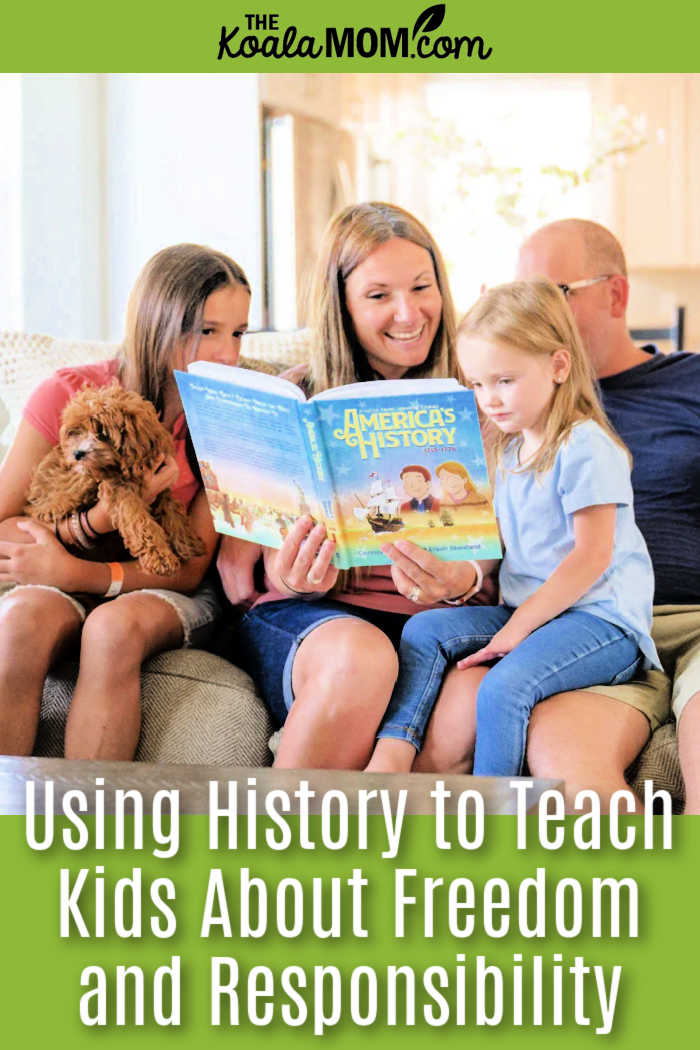
For Nichole, those conversations began with finding engaging history books that helped her children understand the ideas behind America’s founding and the development of its democratic institutions. By choosing history books such as Tuttle Twins that draw her kids into the past, Nichole has encouraged her children to ask thoughtful questions about government, individual rights, personal responsibility, and the role citizens play in shaping society.
Special celebrations often inspire families to learn more about their country’s past. Whether you’re exploring American history, Canadian history, or another nation’s story, understanding the events and ideas that shaped your country helps children become informed and engaged citizens. So if you’re wondering how to teach freedom and responsibility to your kids at this important time in history, here are some great tips.
Find Engaging History Books
History books are critical when it comes to learning how to teach our kids about the roots of their country, but not all history books are equal. Traditional textbooks teach a series of isolated events and dates in a rote-memorization format that gives history it’s eye-roll boring stereotype, but there’s a better way.
History isn’t simply a collection of dates to memorize. It’s a story of people, ideas, conflicts, and decisions that shaped the world we live in today. Story-driven books help children understand how one event influenced another, encouraging them to think critically about the choices people made and their lasting consequences.
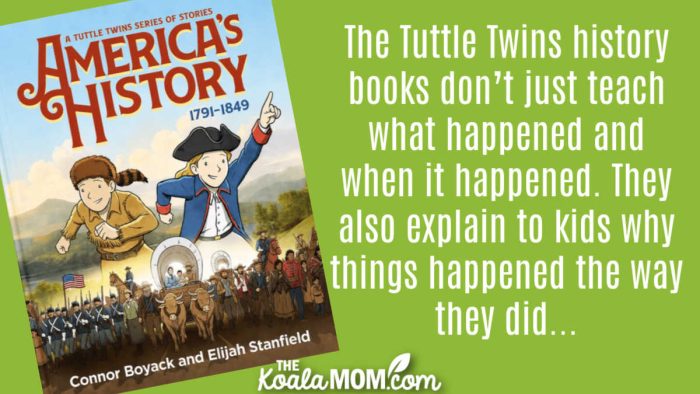
The Tuttle Twins history books don’t just teach what happened and when it happened. They also explain to kids why things happened the way they did, giving them an opportunity to come up with alternate solutions that could have brought about better solutions for all. The Tuttle Twins history books are some great kids’ books about freedom, and there’s even a new Tuttle Twins book this year!
The newest Tuttle Twins history book covers the years 1791 through 1849, picking up just after the Constitution and the Bill of Rights to talk about the western expansion, important historical figures, everyday citizens, and major events that influenced the development of the United States during its early years.
Families interested in exploring early American history may want to begin with the first two books in the series before picking up the newest volume. Volume 1: Seeds of Liberty examines the ideas, people, and events that led to the Declaration of Independence, while Volume 2: Birth of a Nation follows the Revolutionary War and the creation of the Constitution and Bill of Rights. Read together, the books encourage children to see history as a connected story, showing how historical events build on one another rather than existing as isolated facts and dates.
Other Ways to Help Kids Understand Freedom and Citizenship
Books are only one way children learn about freedom and civic responsibility. Give kids opportunities to make age-appropriate decisions, solve problems independently, learn from their mistakes, and experience the natural consequences of their choices. These everyday experiences help them understand both the benefits and responsibilities that come with greater independence.
It’s equally important to help children understand that rights and responsibilities go together. Living in a community means respecting other people’s rights, following shared rules, and recognizing that our choices affect those around us. These conversations help children see that freedom flourishes alongside mutual respect and personal responsibility.
One of the best ways to make history meaningful is to connect it to current events. The questions people debated more than 200 years ago—Who should have rights? How much power should governments have? How do citizens protect their freedoms while respecting the rights of others?—are still being discussed today. Whether you’re talking about women’s rights in Afghanistan, democratic elections around the world, or local issues affecting your own community, these conversations help children see that history is not a collection of finished stories but an ongoing conversation that they will someday take part in.
Thoughtful books and everyday conversations can help children develop a deeper appreciation for history, civic life, and the responsibilities that come with living in a free society. Reading books like Tuttle Twins as a family can help spark more conversations around the dinner table or as news stories and daily interactions relate to something they remember from the story.
No Responses Yet