
Watching your children grow often comes with a surprising realization: they seem to have endless energy. One day you’re happily joining them on bike rides, playground adventures, or backyard games. A few years later, you may notice those activities require more effort (and more coffee) than they once did.
While aging is a natural part of life, it doesn’t automatically mean slowing down or stepping away from an active family life. Research consistently points toward lifestyle habits that help people stay mobile, independent, and engaged as they age. The goal isn’t to compete with younger generations. It’s to maintain the strength, stamina, and confidence needed to enjoy life’s everyday moments together.
I’ve seen this first-hand in my mom, who has always maintained an active lifestyle. When I was a child, she’d wake up at 5 am to go for a swim, walk or bike ride before my dad went to work (usually while us kids were still sleeping). As a teenager, I began joining her in those early morning swims and often spent afternoons cycling with her or my friends. When I finished high school, Mom returned to work as a swim instructor and lifeguard at her local pool.
Mom been through a knee replacement surgery and minor injuries, but she continues to lift weights regularly and hiked the West Coast Trail a few years ago. She retired recently because work was getting in the way of her summer canoe trips. While Mom has slowed down (and I can now hike faster than she can), she continues to walk her dog daily, work out at the gym, and canoe, cycle and ski with her seniors’ groups. She’s my inspiration!
Here are several evidence-informed habits that can help you stay active and connected with your kids for years to come (just like my mom).

Prioritize Strength Over Appearance
Many people associate fitness with weight loss or appearance, but functional strength becomes increasingly important as we get older. Strong muscles support healthy joints, improve balance, and make everyday tasks easier.
Think about the activities you regularly do with your children:
- carrying younger kids or heavy backpacks
- playing catch or kicking a soccer ball
- hiking local trails
- lifting bikes onto the car
- helping with home projects
These movements rely on practical strength rather than athletic performance.
Simple resistance exercises using body weight, resistance bands, or free weights can help maintain muscle function. The key is consistency rather than intensity. A manageable routine performed several times each week is often easier to sustain than occasional demanding workouts.
My partner and I have a set of weights sitting in the corner of our bedroom / office. He often grabs them during online meetings and can do a few lifts or squats while listening in. At the end of the day, we’ll do some exercises together for five or ten minutes.
Don’t Underestimate Everyday Movement
Exercise doesn’t always have to happen in a gym. Daily movement adds up over time and can make a noticeable difference in how energetic you feel.
Family activities offer excellent opportunities to stay active without feeling like you’re exercising. Consider making movement part of your routine by:
- walking the dog together
- riding bikes around the neighborhood
- playing active games in the yard
- taking evening walks after dinner
- visiting parks instead of spending every weekend indoors.
These shared experiences strengthen family relationships while encouraging healthy habits for everyone involved. Small choices repeated consistently often have a greater long-term impact than ambitious fitness plans that quickly become difficult to maintain.
We spent some time last summer investing in sporting gear for my kids. Now that the days are getting a bit longer and sunnier, we enjoy spending an evening at the park with the kids, tossing a baseball or chasing tennis balls. We won’t be winning any sports awards anytime soon, but we have fun together.
Recovery Matters Just as Much as Activity
Many parents focus on exercise but overlook recovery. Muscles, joints, and connective tissues all need adequate time and support to recover after physical activity. Recovery includes several basic habits, including:
- getting enough sleep
- staying hydrated
- eating balanced meals
- managing everyday stress
- allowing rest between demanding workouts.
Some people also enjoy learning about the science behind exercise recovery and how aging affects strength, endurance, and muscle repair. Researchers continue to study a variety of peptides, including some offered by Licensed Peptides (for research use only, not for human or animal consumption), to better understand how the body responds to physical stress and recovery over time. While this area of research is still evolving, it highlights the growing interest in how recovery supports long-term mobility and overall wellness.
Understanding how recovery works can help people make more informed decisions about their fitness routines and appreciate the value of evidence-based research. Some workout apps will actually recommend a specific number of “rest days” following a strenuous activity.
Protect Your Mobility Before You Notice It’s Declining
Mobility often changes gradually. Many people don’t realize they’ve lost flexibility until simple movements become uncomfortable. Regular mobility work helps keep joints moving comfortably and supports better posture during everyday activities.
Simple habits include:
- stretching after activity
- taking short movement breaks during long periods of sitting
- practicing balance exercises
- including gentle mobility drills before workouts.
These routines require very little equipment and can often be completed in just a few minutes each day. For example, take a stretch break while reading or studying. Timers can be helpful to remind both parents and kids to take a break from screens or other sedentary activities and either go for a quick walk, bounce on the trampoline, or just tidy the kitchen for a bit before returning to work.
Better mobility also makes family adventures more enjoyable, whether that’s walking through a museum, exploring a nature trail, or spending an afternoon at a playground.
Build Habits Your Kids Can Learn From
Children pay close attention to what parents do, not just what they say. When they regularly see healthy habits in action, those behaviors become part of normal family life. Instead of treating exercise as a chore, it becomes another enjoyable part of the week.
That doesn’t mean every workout needs to involve the entire family. However, inviting children to join a walk, help prepare balanced meals, or participate in weekend outdoor activities helps reinforce positive routines. Leaving these as invitations (rather than requirements) can help kids be more open to jumping in willingly.
For parents who enjoy learning more about the science behind health and performance, research organizations like Licensed Peptides can offer insight into ongoing scientific studies (through research-use-only products that are not intended for human or animal consumption). Exploring credible, evidence-based information can be another way to stay informed and make thoughtful decisions about long-term wellness.
Parents who prioritize healthy routines often create lasting examples that children carry into adulthood (just as my mom did for me).
Focus on Long-Term Consistency
One of the biggest misconceptions about healthy aging is that dramatic changes produce the best results. In reality, long-term consistency usually matters far more than short bursts of motivation.
Rather than aiming for perfection, focus on habits you can realistically maintain over time. That may look like:
- three strength sessions each week
- daily walks whenever possible
- regular stretching
- consistent sleep schedules
- choosing active family outings more often.
These habits become part of everyday life instead of temporary projects.
The ability to keep up with your children isn’t built during one workout or one healthy meal. It’s developed through thousands of small decisions that gradually support better physical function, energy, and resilience over the years.
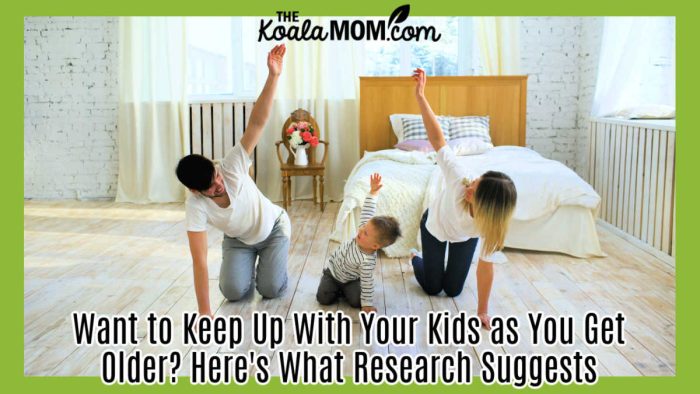


Growing older doesn’t mean stepping away from the activities that bring your family together. While change is inevitable, many aspects of healthy aging remain within your influence.
Building strength, staying mobile, recovering well, and making movement a regular part of family life can help you remain active through every stage of parenthood. More importantly, these habits allow you to create lasting memories without feeling held back by avoidable limitations.
The greatest reward isn’t simply keeping pace with your children today. It’s giving yourself the best opportunity to keep sharing adventures with them as they continue to grow.
No Responses Yet