


Warming a bottle at home is easy enough. The hard part is warming one in a parked car, at a rest stop, in a hotel room with no kettle, or in the back seat while your baby is already hungry and crying. It gets even trickier when the bottle starts cold, the stop is short, and you do not have a clean place to set anything down. That is when a portable bottle warmer setup starts to matter.
I breastfed all of my babies, so milk was always available on demand — assuming we could find a comfortable place to stop and feed the baby. Even then, traveling with a baby could feel stressful at times. I can only imagine how much more difficult feeding a hungry baby would be if parents also had to warm up milk before every feeding.
There is no single travel warmer that works for every situation. A quick two-hour errand, an all-day road trip, and an overnight visit each come with different challenges and different backup plans. What you pack depends on how long you will be gone, whether the milk starts cold, and how easy it will be to find an outlet, hot water, or a safe place to prepare a bottle. Here are some options for parents to consider before hitting the road with a baby this summer.
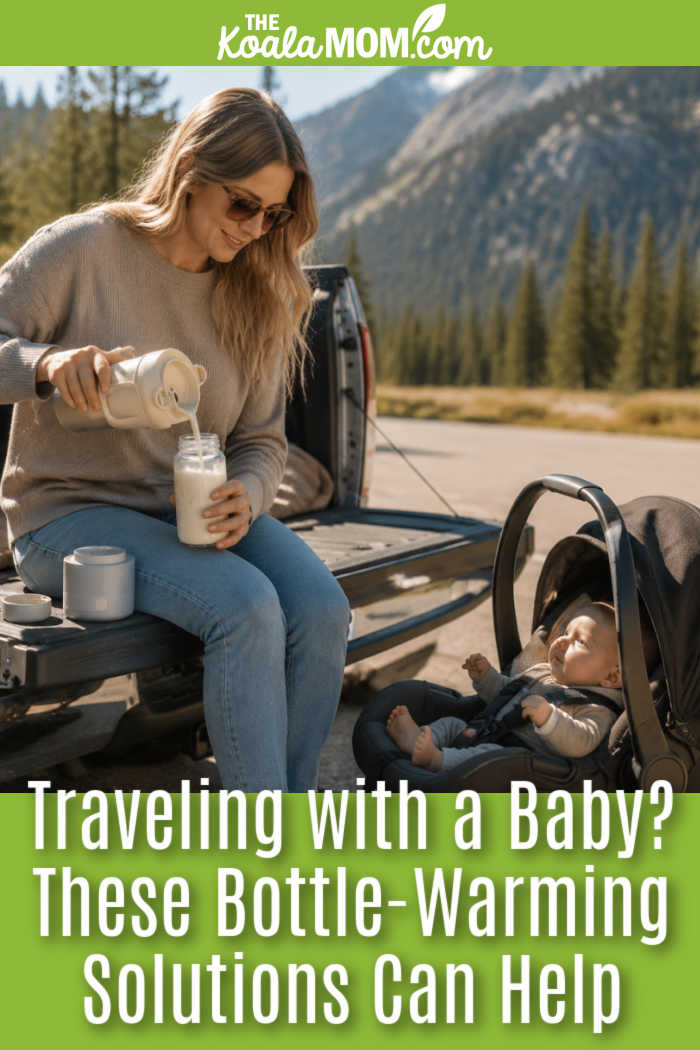
This post offers general information only, not medical advice. This post contains affiliate links; as an Amazon associate, I earn from qualifying purchases.
Table of Contents
- How trip length changes the warmer you need
- Battery warmers versus car-powered warmers
- Insulated bags and hot water methods
- Frozen milk in the car and what is actually safe
- What to pack when there is no wall outlet
- Conclusion
How trip length changes the warmer you need
Most buying guides treat a travel baby bottle warmer like one item on a packing list. In real life, the better question is how long the bottle has to stay safe before it needs to be served.
For a short trip under two hours (to run errands), the setup can stay simple. A ready-to-feed bottle that starts at a safe temperature may not need active heating at all, depending on your baby’s preference and the milk type. If the bottle is chilled, a compact battery warmer or a hot water cup can cover one feed without turning the diaper bag into a kitchen.
(Moms, I know needing to plan for this can make getting out of the house with a baby feel daunting, but outings are important for both of you, so it’s worth figuring this out. If this feels overwhelming, ask your partner for help at least in the planning so you can make the outing happen when you want it to.)
An all-day drive to visit the grandparents or get to a scenic destination is different . You are not only warming one bottle. You are managing stored milk, clean parts, timing, and the possibility that the baby wants the bottle before the next planned stop. That is where a dedicated portable bottle warmer car setup becomes more useful than hoping a gas station has hot water that feels clean enough to use. (Again, don’t let the fear of all the baby gear stop you from making that visit or trip! This planning will help make your trip as smooth as possible.)
For overnight travel, warming is only half the problem. You need a cooling plan, a washing plan, and a way to keep milk separate from everything else in the hotel fridge or guest kitchen. A warmer gets the bottle ready. It does not solve storage by itself.
Trip length is a useful filter because it changes storage time, the number of feeds, and whether cleanup happens on the road.
| Trip length | Better travel setup | What not to rely on |
|---|---|---|
| Around 2 hours | One prepared bottle, insulated sleeve, small backup warmer or hot water cup | A full cooler system if the bottle will be used soon |
| Around 8 hours | Chilled milk storage plus one warming method for the next feed | Waiting until the baby is hungry to start warming from fridge-cold |
| Overnight | Cooling, washing, charging, and destination storage plan | A warmer alone, because storage and cleaning become the bigger issues |
Battery warmers versus car-powered warmers
These options feel different mainly in speed and in what they depend on. Battery warmers help when you are away from the car or do not want to idle the engine. Car-powered warmers help when you can warm while driving, but only if the port and cable keep up. Hot water is the fallback when you want zero electronics, with the mess tradeoff in a cramped car.
Starting temperature matters more than brand name. Room-temperature milk is one job. Refrigerator-cold milk in a cold car is another, and that is where expectations get mismatched. USB and car warmers also run into a simple limit. Power output is capped, so “from cold to warm” takes longer than most people expect, especially during a short stop. In practice, they often work best for the next bottle you planned for, not the surprise bottle you need immediately.
If you are choosing what to pack, this comparison helps you match the method to the situation you are planning for. The timing below is directional rather than universal, because bottle volume, starting temperature, and the device’s power limit change the result.
| Option | Typical time feel | What it tends to do well | Where it feels slow |
|---|---|---|---|
| Battery portable warmer | Usually minutes for one planned bottle | One bottle when you are not near the car or an outlet | Repeated feeds, larger volumes, or very cold milk |
| 12V car / cigarette-lighter warmer | Best when started early during the drive | Longer drives when you can warm while moving | Short stops, or warming from fridge-cold when the port output is modest |
| USB-powered warmer | Often maintenance-speed, not fast-heating speed | Light warming and maintaining temperature | Bringing cold milk up to feeding temperature quickly |
| Kettle or hot-water-cup method | Fastest if the water is already hot | One bottle with no electronics | When the thermos cools early, leaks, or you have no place to set up |
Insulated bags and hot water methods
An insulated bag does not warm milk. It slows temperature change. That distinction matters because parents often expect too much from it.
For a warm prepared bottle, an insulated sleeve or bag can help hold temperature briefly, but it is not a safe all-day holding plan. For chilled milk, an insulated cooler with proper cold packs is used to keep milk cold until it is time to warm it. The bag buys time, not permission to ignore storage windows.
Hot water methods work best when the bottle is already chilled, not frozen solid. Pour hot water into a cup or wide-mouth container, stand the bottle inside, and swirl occasionally so the milk warms more evenly. Do not microwave bottles, and avoid heating unevenly until one part is hot while another is still cold. Consumer guidance from CDC and pediatric sources generally emphasizes safe storage time, even warming, and avoiding reheating over and over.
The annoying reality is that hot water works better when the trip is planned. If the thermos is forgotten or the water cools off, there is no backup. That is why many parents eventually separate the packing list into two jobs: keep milk cold and warm only the next feed.
Frozen milk in the car and what is actually safe
Frozen milk is not a shortcut unless the timing is clear. It can thaw unevenly in a car, especially if the cooler sits near a sunny window or the floor heat is on. Once thawing starts, the safety clock is not the same as a sealed frozen stash sitting at home.
The safer travel logic is to keep frozen milk frozen until you are ready to move it into a controlled thawing plan. If the trip is long, use a proper cooler setup and keep the milk deep in the cold zone, not in a side pocket. If the milk arrives partially thawed but still has ice crystals, many storage guidelines treat it differently from fully thawed milk. Once fully thawed, it needs to be handled like thawed refrigerated milk, not refrozen casually.
Trying to warm frozen milk directly in a portable warmer usually disappoints. The outside warms first, the center lags, and the total time stretches. If frozen milk is part of the trip, plan a thaw stage first. A portable warmer is for getting feeding temperature right near the end, not for doing the whole freezer-to-bottle job in one step.
If you are pumping on the road, frozen milk planning can get messy fast. A session in the car or a quick pump at a rest stop produces fresh milk that needs its own cold path, separate from the bottle you are warming next. That is when packing becomes less about one device and more about workflow.
What to pack when there is no wall outlet
The best no-outlet kit is not the biggest kit. It is the one that solves the next feed without creating a cleanup problem afterward.
For a two-hour outing, that may mean one prepared bottle, an insulated sleeve, and a clean cloth. The backup that matters is what you will do if your baby refuses a cooler bottle and you cannot find hot water quickly.
For a long car day, treat milk storage and feeding as two separate lanes. Keep chilled milk in its own cooler. Keep nipples and bottle parts in a clean pouch. Bring one sealed bag or container for anything used or wet so the clean side of the bag stays clean. The warming method should focus on the next bottle, not the whole stash.
Overnight travel adds charging and washing. Plan where bottles will chill at the destination and where parts will dry, because that is where routines usually break. If you prefer a device over a thermos method, a portable milk warmer is one option for getting one bottle to a target temperature during a short stop.
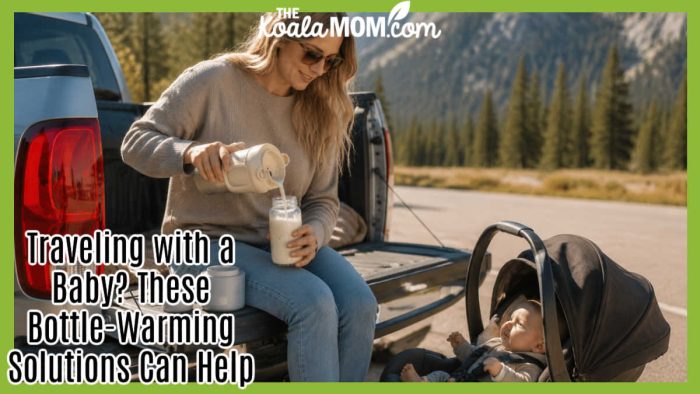
A portable bottle warmer is useful when it matches the trip instead of trying to solve every trip. Short outings need simplicity. Long drives need both cooling and warming. Overnight stays need a plan for storage, cleaning, and power.
The most reliable setup separates the jobs: keep milk cold until it is needed, warm only the next bottle, and avoid turning the car into a half-controlled thawing station. The goal is not to carry more gear. It is to know which part of feeding has to happen now, and which part can wait until there is a sink, fridge, or outlet. If you want to compare travel-friendly warmers, feeding gear, and storage items in one place, the eufy baby collection is a useful starting point.
No Responses Yet