


Hospital rooms can make time feel strange. A doctor stops in, a nurse adjusts something, someone asks about medication, and for a while the room feels busy and purposeful. Then the door closes. The hallway noise fades. You’re left beside someone you love, watching them rest, wince, shift under the sheets, or try to describe a feeling they can’t quite name.
Those quiet stretches can leave you second-guessing yourself. You might notice a change, then wonder if it’s worth mentioning or whether the staff are too busy to be called back in. But family members often pick up on subtle shifts first because they know the person in the bed beyond the monitors, charts, and hospital routine.
Being present during a hospital stay doesn’t mean trying to manage the care yourself. It means staying observant, asking clear questions, and helping your loved one feel steady in a place that can feel unfamiliar. Sometimes a calm voice, a few notes on your phone, and one well-timed question can make the whole experience feel less overwhelming.
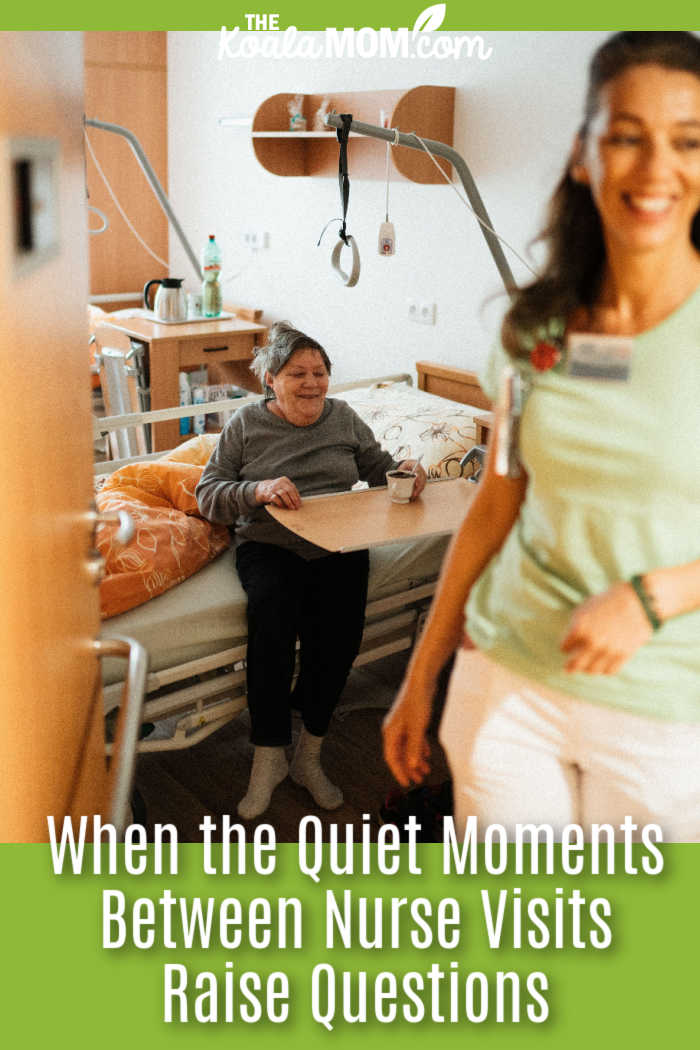
Often, hospital visits are hard. It may seem like there’s no reason to be there; maybe your loved one is sleeping, or you constantly have to move out of the way to let the nurses do their job. I’ve felt that in trying to visit both my grandma and my great-aunt when they were in the hospital. Knowing that you can contribute to their care just by being there and observing their needs can help with this sense of discomfort. Even if they are getting top-notch care, you are there for them, and that matters. Here’s a few other ways you may be able to help during that visit.
Families Often Notice the Smallest Changes First
A nurse may know the medication schedule, the care plan, and the numbers on the chart. A spouse, parent, sibling, or adult child often knows something different: the patient’s usual expressions, their tolerance for pain, the way they sound when they’re tired, and the little signs that say something has shifted. For example, when my grandma was in her care home, Grandpa stopped by every day and knew all her routines and how she was doing.
Maybe your loved one seems foggier than they did after breakfast. Maybe they keep rubbing the same spot on their arm. Maybe they’re suddenly quieter, more restless, or describing pain in a way that sounds new. None of these details means something is wrong on its own, but they are worth sharing.
Hospitals increasingly recognize the value of patient and family engagement in hospital safety, since loved ones can add context that staff may not catch during short check-ins. You don’t need to diagnose the problem. You can simply say what you’ve noticed and ask whether it should be looked at.
What to Watch During the Time between Check-Ins
The space between nurse visits is often when questions start forming. Was that pain there before? Is this much sleepiness expected? Should their breathing sound different? Is that swelling new?
Plain language helps. Instead of saying, “Something seems wrong,” try to be specific. “She was comfortable after lunch, but now she winces every time she moves her arm.” Or, “He said the burning started after the last medication went in.” Small details help staff understand whether a symptom is new, getting worse, or possibly connected to medication, movement, fluids, or another part of care.
It’s also helpful to notice ordinary things. Is your loved one drinking? Eating? Sleeping? Using the bathroom? Becoming more restless? These are simple observations, but in a hospital setting, they can fill in gaps between formal checks.
When an IV Site Deserves a Second Look
In Vancouver and across British Columbia, many families trust hospital staff to handle the medical details while loved ones focus on comfort, reassurance, and being present at the bedside. That role still matters during the quieter stretches, especially if a patient mentions burning, tightness, swelling, numbness, leaking, or pain near an IV site.
IV lines are so common that they can disappear into the background. A bag hangs from a pole, tubing runs to the arm, and everyone gets used to seeing it there. Still, the skin around the site deserves attention. If it looks puffy, discoloured, shiny, irritated, or unusually tender, it’s reasonable to ask for someone to check it before more medication or fluid runs through.
Sometimes, an IV concern can become more complicated after a hospital stay, especially when a family is left comparing what they remember from the bedside with what appears in the medical chart. If serious swelling, tissue damage, blistering, nerve pain, or delayed treatment leaves those records feeling incomplete, a Chicago IV infiltration malpractice lawyer can review nursing notes, medication records, IV-site checks, discharge instructions, and follow-up care to determine whether the injury was recognized and addressed properly.
Simple Notes Can Make Follow-Up Easier
Hospital updates can blur together quickly. You’re tired. You’re listening hard. Someone mentions medication, another person talks about discharge, and later it’s hard to remember who said what.
A short note on your phone can help. Write down the time a symptom started, how your loved one described it, whether medication had just been given, and what the staff said when you asked about it. You don’t need a perfect record. You’re simply creating a clearer timeline than memory can usually provide under stress.
For visible concerns, such as swelling, redness, or skin changes, a photo may help show whether the area improved or worsened. Use common sense and respect privacy, especially in shared rooms, but don’t underestimate the value of a simple before-and-after comparison.
Those notes can also make follow-up appointments less frustrating. Instead of trying to retell the whole hospital stay from memory, you can bring a few specific details and ask focused questions. That often helps the patient feel heard, especially if they’re still sore, tired, or unsure how to explain what happened.
Asking Questions without Feeling Difficult
Many people pause before calling a nurse back into the room. They worry the question is too small. They don’t want to seem demanding. They tell themselves they should wait.
A good question doesn’t need to be dramatic. Start with what you see. “His arm looks more swollen than it did earlier.” “She says the burning is getting worse.” “He seems more confused than he was this morning.” These sentences are calm, specific, and useful.
If you aren’t sure whether a symptom matters, say that. “I’m not sure if this is expected, but I wanted to ask” is often enough to open the conversation. The goal isn’t to challenge the care team. It’s to make sure the concern is heard while there’s still time to respond.
The same steady habits parents use to handle a child’s health emergencies can help in a hospital room with any loved one: pause, describe the concern clearly, and ask what should happen next. Speaking up is part of caring for someone, especially when they’re too tired, nervous, or uncomfortable to explain everything themselves.
Before Discharge, Slow the Room Down
Discharge can feel strangely rushed. Everyone wants to go home. Bags are packed, instructions are printed, and the patient may already be thinking about their own bed.
That’s the moment to slow down. Before leaving, ask what symptoms are expected, what would be concerning, and who to call if something changes overnight. If there was swelling, pain, confusion, a medication reaction, or any other unresolved concern, ask whether it needs follow-up.
Repeating instructions back in your own words can prevent a lot of confusion later. “So if the swelling gets worse tonight, we call this number?” “If the pain increases, should we return to urgent care or the emergency room?” These questions may feel small in the moment, but they can make decisions easier when you’re home and no nurse is nearby.
Keep discharge papers, medication lists, follow-up appointments, and written instructions together. Even when recovery goes smoothly, having those details in one place can make the next few days feel less scattered.

A Steady Presence Can Change the Experience
Families don’t need medical training to be helpful during a hospital stay. They need patience, attention, and enough confidence to ask when something doesn’t seem right.
The quiet moments between nurse visits can feel uncertain, but they can also be when a loved one feels safest having someone familiar nearby. Sitting beside the bed, noticing changes, keeping simple notes, and asking clear questions are small acts of care. In a stressful room, they matter.
Most hospital concerns will have simple explanations. Some deserve a closer look. Either way, loved ones are allowed to speak up, slow the conversation down, and help make sure comfort, safety, and recovery are being taken seriously.
No Responses Yet