


Many people spend a small fortune on luxury shampoos and styling creams, yet they still battle constant frizz, split ends, and a dry scalp. Daily routines often include subtle habits that silently damage hair strands from the root to the tip.
It is easy to blame genetics or the weather when locks look dull, but everyday choices are usually the real culprits. Small changes in how a mane is handled can completely transform its health and appearance. Recognizing these common errors is the first step toward achieving the smooth, glossy locks everyone wants.
Overwashing Strips the Scalp of Natural Protection
Washing hair every single day might feel clean, but it frequently triggers a cycle of dryness and irritation. The human scalp naturally produces sebum to coat and protect each strand from environmental damage. A recent article noted that washing locks too frequently can strip away these beneficial oils, leading to severe dryness and an irritated scalp. When the scalp is constantly stripped, it sometimes goes into overdrive to produce even more grease.
Shampooing less often helps balance this natural oil production over time. Try extending the time between washes by using a dry shampoo or simply rinsing with lukewarm water on off days. Selecting a gentle, sulfate-free cleanser also prevents that tight, stripped feeling after a shower.
Extreme Heat Styling Without a Shield
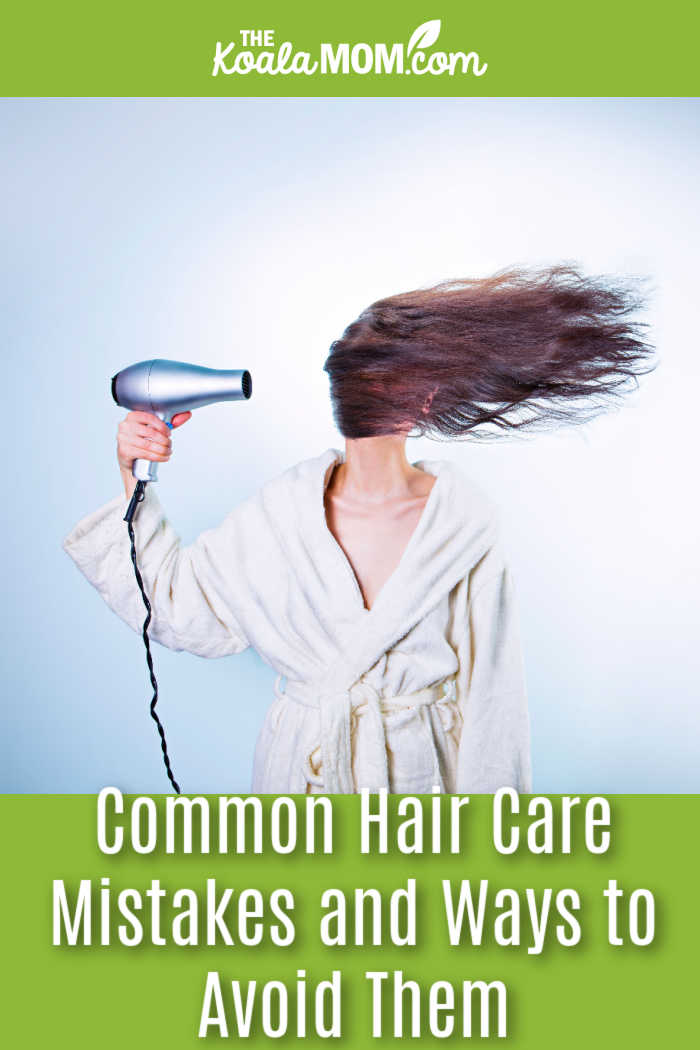
Flat irons, curling wands, and blow dryers make styling fast, but they can cook the hair structure from the inside out. High temperatures melt the keratin proteins that give each strand its strength and elasticity. An online guide explained that heat gradually deteriorates the hair structure, leaving it incredibly dry and fragile. Using these tools daily without any barrier leads to permanent texture modification and breakage.
Lowering the temperature setting on styling tools to below 180 degrees Celsius helps preserve moisture. To keep strands looking their best, you can find out more about which products professional stylists use to build a shield against daily thermal damage. Investing in a salon-grade formula makes a noticeable difference in how your ends hold up against heat.
The Danger of Brushing Wet Strands
Hair is at its weakest and most fragile point when it is completely soaked with water. The internal bonds of each strand stretch out when wet, making them highly susceptible to snapping under pressure. Another publication pointed out that using the wrong type of tool to brush wet hair is a major cause of structural damage. Tearing through tangles right out of the shower destroys the outer cuticle layer.
Switching to a wide-tooth comb or a flexible detangling brush designed specifically for wet strands prevents unnecessary snapping. Start detangling at the very ends of the hair and work upward toward the roots to minimize tension.
Selecting the Wrong Brush for Daily Maintenance
Using a brush with harsh bristles can do just as much damage as a hot iron. Many popular options feature stiff plastic or metal bristles that rough up the protective outer layer of the hair. Medical insights reveal that metal bristles or brushes with sharp edges literally tear right through hair cuticles. This tearing action leaves the hair shaft exposed, porous, and prone to splitting.
Look for brushes that feature rounded ball tips or natural boar bristles that glide smoothly over the scalp. Natural bristles help distribute sebum from the roots down to the dry ends, acting as a built-in conditioner. Replacing old brushes with worn-down protective tips keeps the hair cuticle smooth and intact.
The Squeaky Clean Scalp Misconception
Many individuals scrub their scalps aggressively because they believe a squeaky feel equals true cleanliness. This intense scrubbing often removes the delicate moisture barrier that protects the skin on the head from bacteria. Hair experts warn that chasing a squeaky clean scalp often leads directly to over-cleansing and chronic sensitivity. A compromised scalp barrier can result in flaking, itching, and even slower hair growth.
Treat the scalp like an extension of facial skin by using gentle, circular massages with the fingertips rather than scratching with fingernails. Look for soothing ingredients like aloe vera or tea tree oil to maintain a healthy environment. A calm scalp provides the ultimate foundation for growing strong, resilient strands.
Rough Towel Drying Destroys the Hair Texture
Rubbing a heavy cotton bath towel vigorously against wet hair is a quick way to create instant frizz and split ends. The coarse texture of a standard towel lifts the hair cuticles, causing them to snag against each other. This friction weakens the hair shaft, making it look dull and unruly once it dries completely.
- Squeeze excess water out gently using a soft microfiber towel or an old cotton t-shirt.
- Blot the hair in sections rather than rubbing it back and forth.
- Wrap the hair loosely on top of the head to absorb moisture without tension.
Microfiber materials absorb water much faster than cotton without roughing up the delicate outer layer. This simple switch cuts down on drying time and keeps the hair texture looking incredibly smooth.
Beautiful hair does not require a complicated 10-step routine or hours of daily maintenance. It relies on avoiding aggressive habits that break down the natural strength of your strands over time. By swapping out harsh brushes, lowering styling temperatures, and treating wet hair with extra care, anyone can unlock healthier locks.
No Responses Yet