


Trauma doesn’t always show up in teenagers the way you’d expect it to. Your teenager might seem fine on the surface, yet something feels off. Maybe they’ve pulled away from friends, started having nightmares, or reacted with intense anger to situations that seem minor. These changes can be easy to dismiss as “just a phase,” but they might point to something far more serious. Post-traumatic stress disorder (PTSD) is more common in teens than many parents realize. Knowing the signs early can make all the difference in getting your child the help they need.
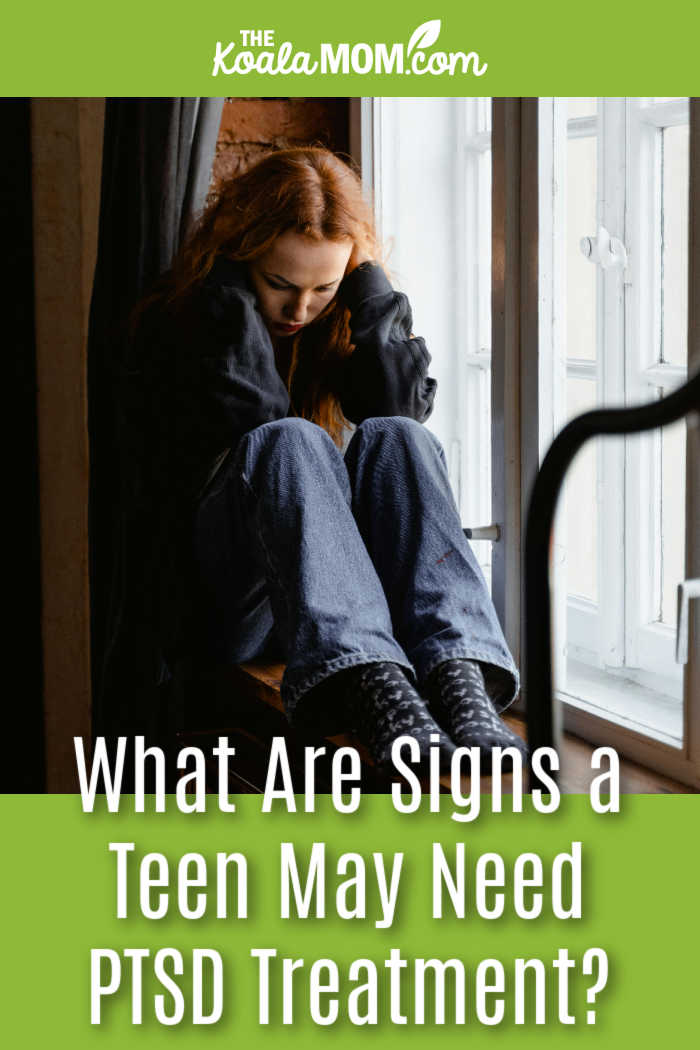
What PTSD Actually Looks Like in Teenagers
PTSD in teenagers doesn’t always mirror the classic image most people have of adult male cases. Most of our information or stereotypes about PTSD are based on male veterans, but their experience may be vastly different than that of women or teenagers. For example, men with PTSD often talk openly about flashbacks or nightmares, but teens tend to express trauma differently, and that difference can make it harder to spot.
For a teen, PTSD may develop after a single traumatic event or repeated exposure to distressing experiences (which can become complex PTSD or C-PTSD). These include physical / sexual /emotional abuse, witnessing violence, a serious car crash, the sudden loss of a loved one, or even bullying that crossed into severe emotional harm. The brain is still in development during adolescence, which makes it more sensitive to the lasting effects of trauma.
What makes teen PTSD especially tricky is that many of its symptoms look like typical teenage behavior. Irritability, withdrawal, and mood swings are things adults often write off as hormonal changes or growing pains. But there’s a meaningful difference between normal teenage angst and trauma-driven distress.
The treatment for PTSD in teens works best the sooner it starts, which is exactly why recognizing the early signs matters so much. If your teen has gone through something traumatic and their behavior has shifted noticeably in the weeks or months that followed, that’s a pattern worth paying attention to.
Warning Signs Your Teen May Need PTSD Treatment
Some signs are obvious, while others are subtle enough to slip past even attentive parents. The following categories break down what to look for across emotional, behavioral, and physical dimensions.
Emotional and Mood-Related Signs
One of the clearest emotional indicators is a persistent and unexplained shift in your teen’s mood. They may feel intense guilt or shame about the traumatic event, even if they had no control over what happened. You might notice they seem emotionally numb, as if they’ve disconnected from things they used to care about deeply.
Frequent emotional outbursts, especially ones that seem disproportionate to what triggered them, are another sign. Your teen might also describe feeling hopeless about the future or express a belief that their life will be cut short. These feelings are not just pessimism. They are often trauma responses that reflect a disrupted sense of safety and self-worth.
Anxiety and fear that don’t seem tied to any present threat can also point toward PTSD. If your teen becomes extremely anxious in places or situations that remind them of the traumatic event, that’s a red flag that deserves serious attention.
Behavioral and Social Warning Signs
There’s a notable shift in behavior that often accompanies teen PTSD. Your teen might start to avoid people, places, or activities that remind them of the trauma. For example, a teen who experienced a car accident may refuse to ride in vehicles. A teen who is a victim of bullying at school may start skipping classes or refuse to go altogether.
Risky or self-destructive behavior is another concern. Some teens turn to alcohol, drugs, or other harmful behaviors as a way to cope with pain they don’t know how to process. Others may engage in self-harm. These behaviors are often misread as defiance or rebellion, but they frequently signal that a teen is in emotional distress.
Social withdrawal is also common. Your teen might pull away from close friends and family, lose interest in hobbies they once loved, and become increasingly isolated. In some cases, they may stop communicating altogether, which can feel like a wall going up between you and them.
Physical and Cognitive Symptoms
PTSD doesn’t live only in the mind. It affects the body too. Your teen may report frequent headaches, stomachaches, or other physical complaints that don’t have a clear medical cause. Sleep disturbances are also extremely common, including nightmares, difficulty falling asleep, or waking up in a panic.
On the cognitive side, you might notice your teen has trouble concentrating in school, which leads to a sudden drop in grades. They may also experience memory problems, particularly around the traumatic event itself. Some teens describe feeling like they’re reliving the event through intrusive memories or flashbacks that come without warning.
Hypervigilance is another cognitive symptom worth noting. Your teen may seem constantly on edge, easily startled, or always watching for danger even in safe environments. This state of constant alertness is exhausting, and over time, it takes a real toll on both mental and physical health.
Effective PTSD Treatment Options for Teens
The good news is that PTSD is treatable, and many teens recover well with the right support. A qualified mental health professional can assess your teen’s symptoms and recommend a plan tailored to their specific needs.
- Trauma-Focused Cognitive Behavioral Therapy (TF-CBT) is one of the most well-researched approaches for adolescents. This form of therapy helps teens understand the connection between their thoughts, feelings, and behaviors, and teaches them healthier ways to process the trauma. It often involves both the teen and a parent or caregiver, which strengthens the support system at home.
- Eye Movement Desensitization and Reprocessing (EMDR) is another approach that has shown strong results in teens. It helps the brain reprocess traumatic memories so they lose their emotional intensity over time.
In some cases, a doctor may also recommend medication to address specific symptoms like severe anxiety, depression, or sleep problems. Medication is rarely used on its own, but it can support the therapy process. For example, a teen could take anxiety medication while doing therapy to learn about other ways to manage her anxiety; once she’s mentally able to work through her anxiety, she can begin weaning off the medication.
Beyond formal treatment, your role as a parent or caregiver matters enormously. A calm, consistent, and supportive home environment gives your teen the safety they need to heal. Avoid pressuring them to talk about the trauma before they’re ready, and make it clear that you believe them and you’re there for them, no matter what.
If you’ve noticed several of the signs described in this text, the next step is to consult with a mental health professional who has experience in teen trauma. Early intervention leads to better outcomes, so don’t wait for things to get worse before you act.
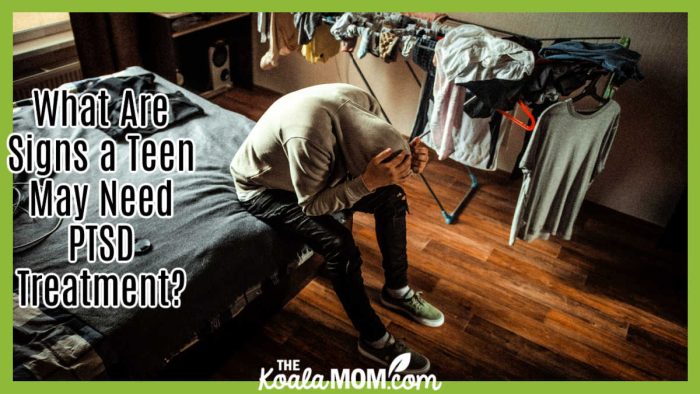
Recognizing PTSD in your teenager isn’t always straightforward, but paying close attention to emotional, behavioral, and physical changes can point you in the right direction. If something feels off, trust that instinct. Teens rarely grow out of untreated trauma on their own. With the right treatment and your steady support, recovery is absolutely possible
No Responses Yet