


Italy’s history is often reduced to two famous periods: the Roman Empire and the Renaissance. While both are essential parts of the country’s story, they are only the beginning. Beyond the Colosseum and the great Renaissance museums, Italy offers Byzantine mosaics, medieval hill towns, pilgrimage routes, World War II sites, ancient ports, and regional traditions that have survived for centuries.
If you’re planning a trip and want to come home with more than just photos, a little preparation can turn an ordinary vacation into a genuinely educational experience.
This post contains affiliate links; as an Amazon associate, I earn from qualifying purchases.
Start with at Least One Guided Tour
The fastest way to understand a place is to explore it with someone who knows its history. A good guide can explain why a building matters, how a city developed, and what most visitors overlook. Rome is an excellent place to begin. Popular options include:
- Colosseum
- Roman Forum
- Vatican Museums
- St. Peter’s Basilica
If you enjoy military history, Italy also has important World War II museums, memorials, and battle sites that are often less crowded than the major tourist attractions.
Always book tours through licensed operators and read recent reviews. Around major attractions, you’ll often encounter unofficial guides offering inexpensive tours on the spot. Some are excellent, but quality varies widely, so it’s worth checking credentials in advance.
Read Before You Go
If you’re dreaming about a trip to Italy, Italy’s Shrines and Wonders, Volume 2 by Teresa Tomeo offers much more than a typical travel guide. Drawing on her years of leading tours throughout Italy, Tomeo introduces readers to beautiful churches, charming medieval villages, remarkable works of art, and fascinating historical sites that many visitors never discover.
Along with practical travel tips and cultural insights, Italy’s Shrines and Wonders encourages travelers to slow down and experience Italy beyond the usual tourist attractions. Whether you’re planning an upcoming vacation or simply love reading about Italy’s history, culture, and hidden gems, it’s an inspiring companion for exploring one of the world’s most captivating destinations.
Consider a Car for Part of the Trip
Italy’s train network is excellent for major cities, but some of the country’s most fascinating historical sites are tucked away in rural areas. A rental car can be especially useful if you want to visit:
- Medieval hill towns in Tuscany
- Castles and fortresses in Umbria
- Rural churches and monasteries
- Smaller villages that are difficult to reach by public transportation
For a city-heavy itinerary, however, it’s better to rely on trains and only rent a car for a few days. Parking in places like Rome, Florence, and Venice can be expensive and stressful.
Make Self-Guided Tours Work for You
Self-guided visits can save a lot of money, but they’re most rewarding when you do a little homework first.
Before visiting a major site:
- Read a short history of the location
- Download an official audio guide if available
- Look up a map of the site beforehand
- Choose two or three highlights to focus on rather than trying to see everything
Many visitors experience “museum fatigue” in Italy. I’ve found that understanding a few key pieces or buildings in depth is often more memorable than rushing through an entire complex.
Booking Activities
Whatever you intend on doing in Italy, make sure you book in advance. Italy is a very popular country as far as tourism is concerned. Millions visit it each year. Unlike other places, Italy does not have a shoulder season. This means that things are more or less the same price throughout the year.
Booking activities and accommodations before visiting is the most effective way of ensuring that you see everything and get into the places that you want to go. You can also save money by booking things in advance.
Immersing Yourself
If you want to see Italy and learn about it, then immerse yourself in its culture and local communities. Instead of staying in a luxury resort or hotel, stay in a local bed and breakfast or somebody’s Airbnb apartment in an authentic Italian neighborhood. Immersing yourself in Italy’s culture and customs is by far the most effective way of truly experiencing everything that the country has to offer.
It is also worth taking some time to learn a little bit of Italian, too. If you cannot speak the language then you will find it hard to communicate with locals, read signs, and get around.
Reading Books
If you want to learn about Italy but don’t want to pay for a tour guide, then before you travel there take some time to read books and watch videos. Hundreds of thousands of books have been published on the subject of Italy. You can learn a lot about the culture and people of Italy through fiction, too. Here’s a few book to get you started:
You may even be able to access these books and videos for free, using the internet. You can find pdfs of books and watch videos on YouTube. Learning about the places that you plan on visiting before leaving for Italy will prepare you for your trip.
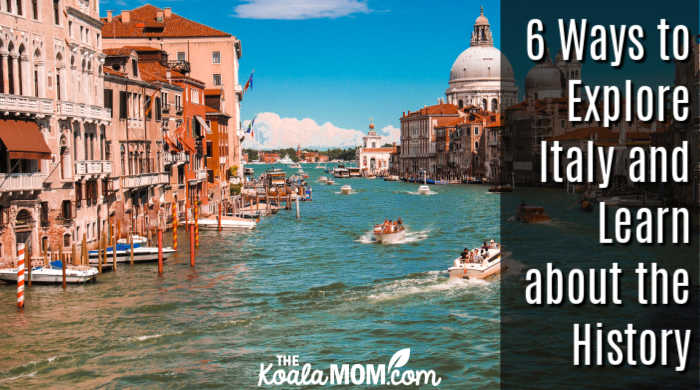
Italy rewards travelers who slow down. The famous landmarks are worth seeing, but some of the country’s richest experiences come from wandering through a medieval village, listening to a local guide explain a centuries-old church, or recognizing a historical connection because you read about it before your trip.
With a combination of advance planning, thoughtful reading, and a willingness to explore beyond the most crowded attractions, an educational trip to Italy can become much more than a sightseeing vacation—it can become a deeper encounter with one of the world’s most influential cultures.
No Responses Yet